
Concrete Guides & Expert Advice
Practical guides for specifiers, contractors, and self-builders: covering grades, mixes, pumping, and best practice across Yorkshire and the North West.
72 guides

Foamed Concrete & Normal Concrete: What's the Difference?
Foamed concrete versus normal concrete compared on composition, density, strength, water ratio, compaction and thermal performance, plus where each one is the wrong choice.
Read guide →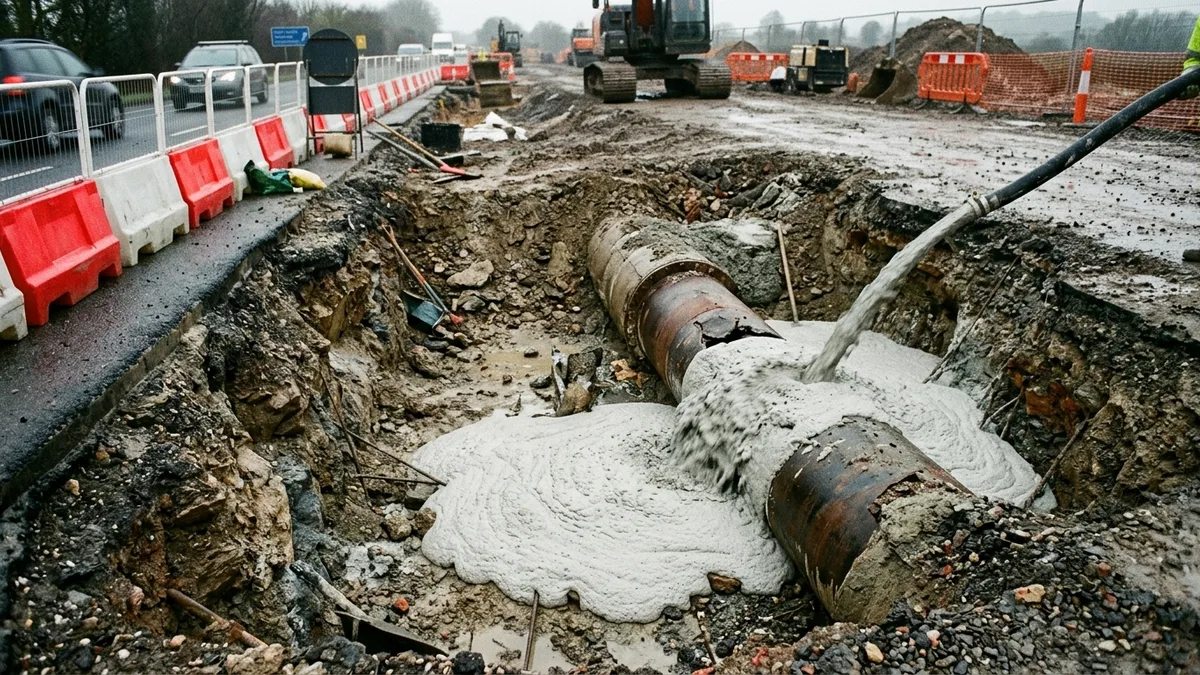
The Uses & Benefits of Foam Concrete (UK Guide)
What foam concrete is used for and why it gets specified: void fill, trench reinstatement, load reduction and insulation, plus the self-compaction that changes a job's economics.
Read guide →
What Is Foamed Concrete? UK Guide to Foam Concrete
Foamed concrete explained: what it is made of, how it is produced, the density and strength bands, how long it takes to set, and the names it hides behind on a spec.
Read guide →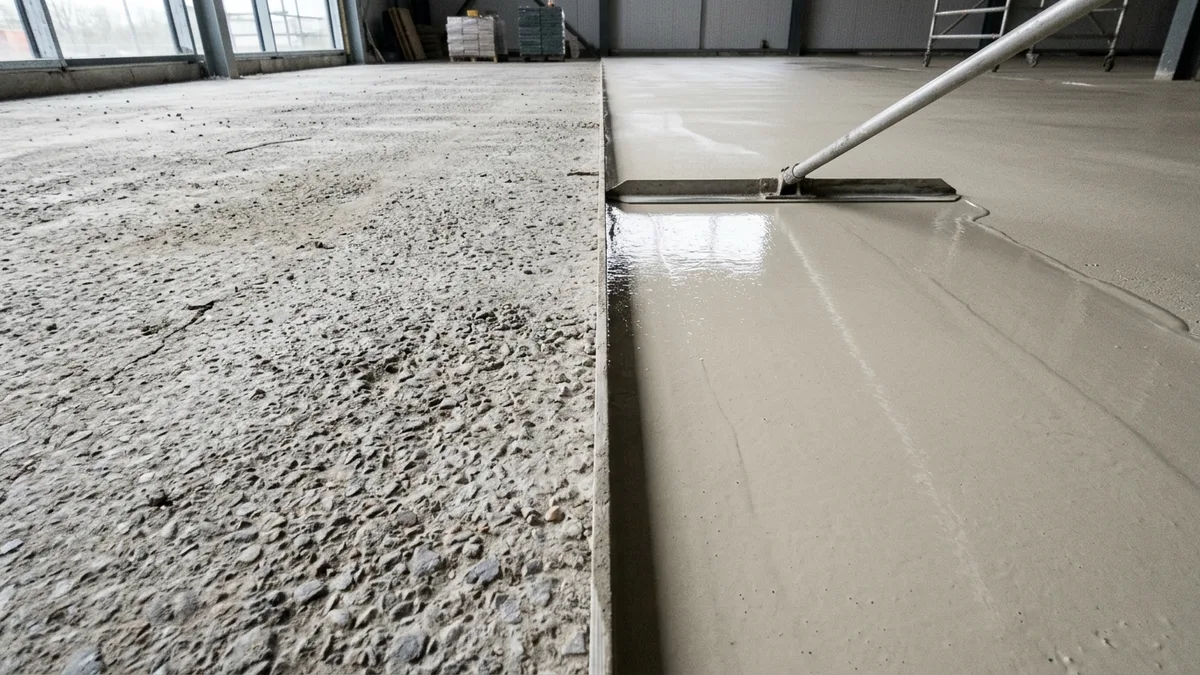
Screed vs Concrete: What's the Difference? (UK Guide)
Screed and concrete explained side by side: strength, thickness, cost, whether you can DIY it, and the mistakes that cost people the most on a floor build-up.
Read guide →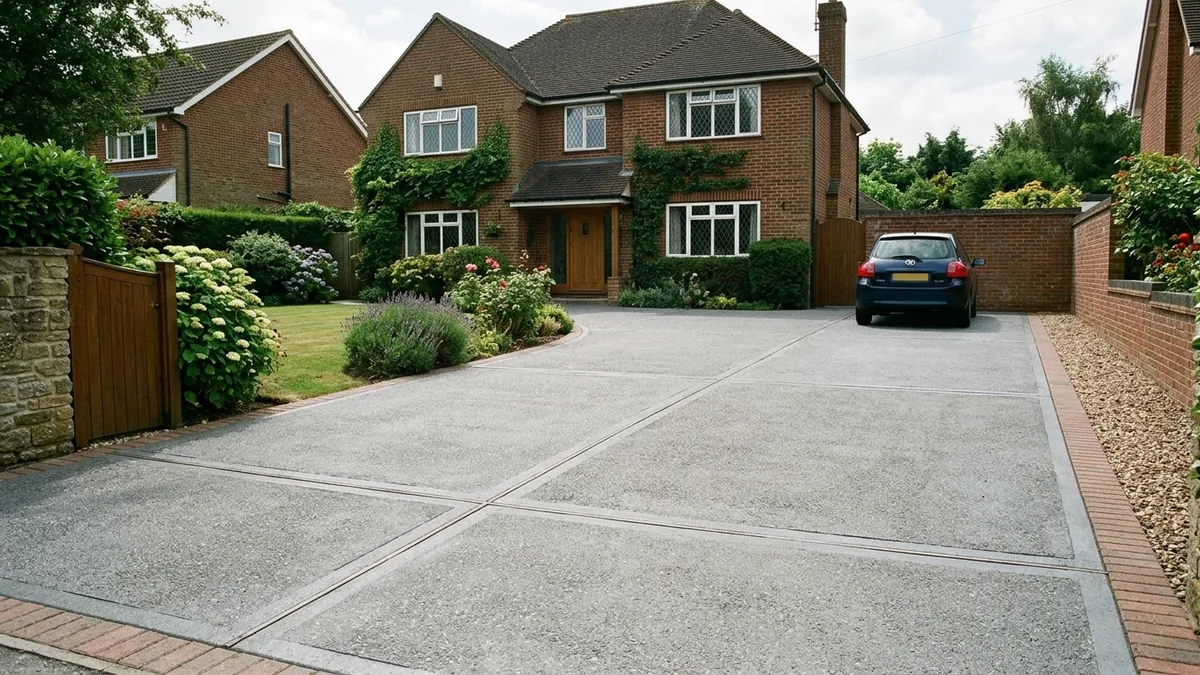
Concrete Driveway Pros and Cons: Cost, Lifespan and Value
The downsides of a concrete driveway alongside the benefits, what the cheapest UK driveway surface really is, and whether a driveway adds value to a house.
Read guide →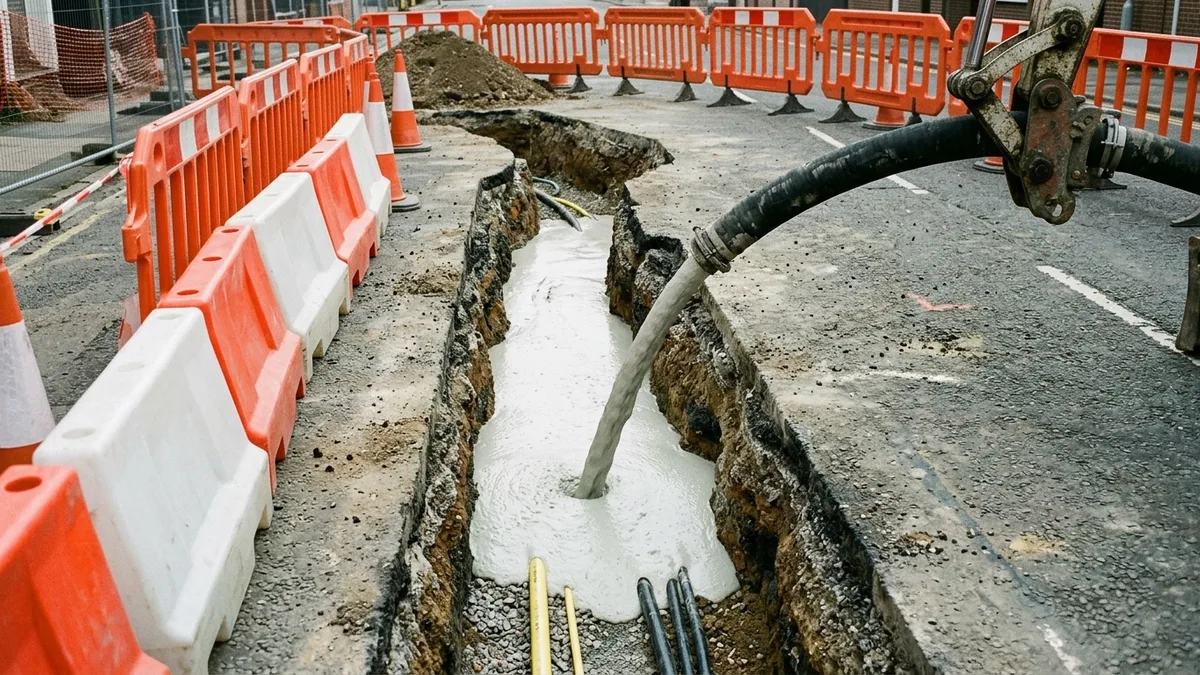
What Are the Disadvantages of Foam Concrete? (UK Guide)
The real disadvantages of foam concrete: low strength, point loads, shrinkage, water absorption and abrasion. Plus how long it lasts and when to use it anyway.
Read guide →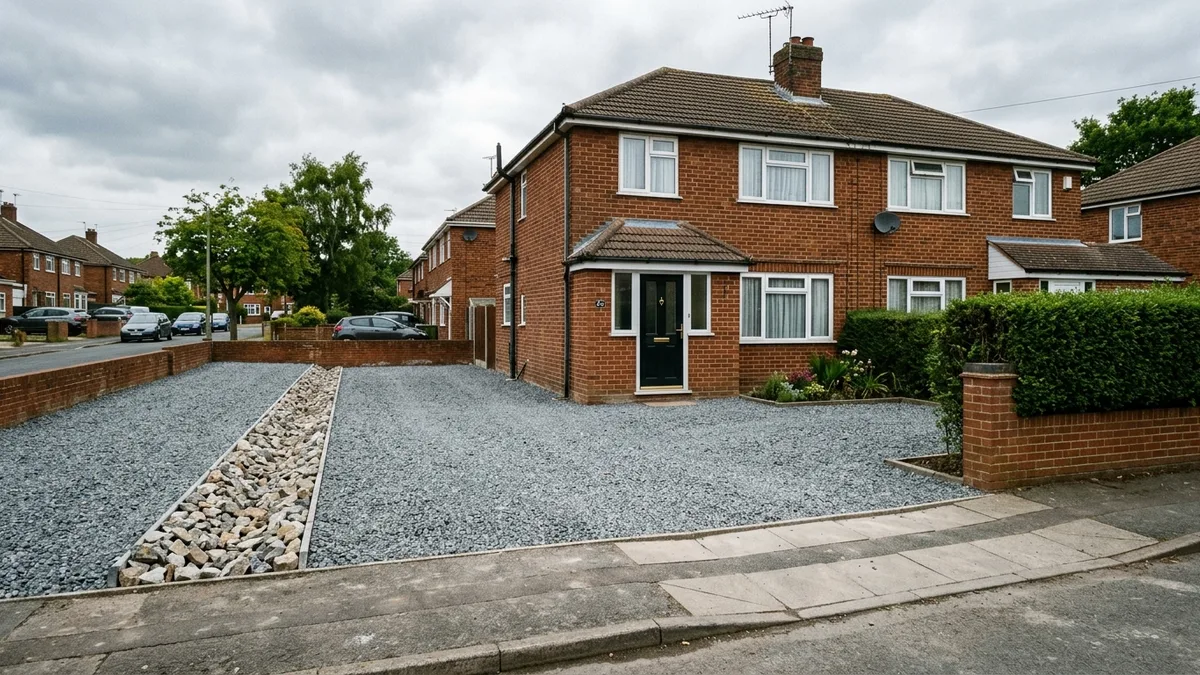
Do You Need Planning Permission for a Concrete Driveway? (UK)
The permeable surfacing rules explained: when a concrete driveway needs planning permission, the 5 square metre threshold, and how drainage keeps you permitted.
Read guide →
Poor Man's Concrete and the Fairy Liquid Myth: DIY Shortcuts Tested
What poor man's concrete actually is, why adding washing up liquid to cement wrecks the mix, and which common DIY concrete shortcuts genuinely work.
Read guide →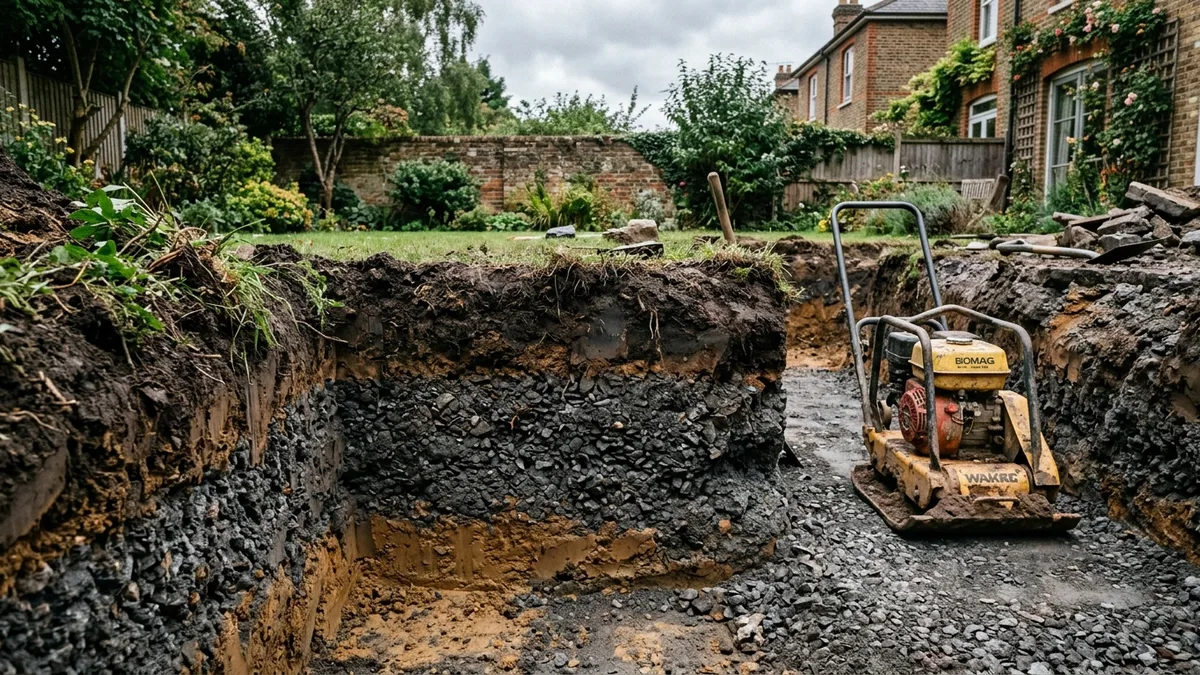
Can You Pour Concrete Straight Onto Soil? (UK Guide)
Why pouring concrete directly onto soil fails, what sub-base you actually need, and the few situations where concrete against undisturbed ground is genuinely fine.
Read guide →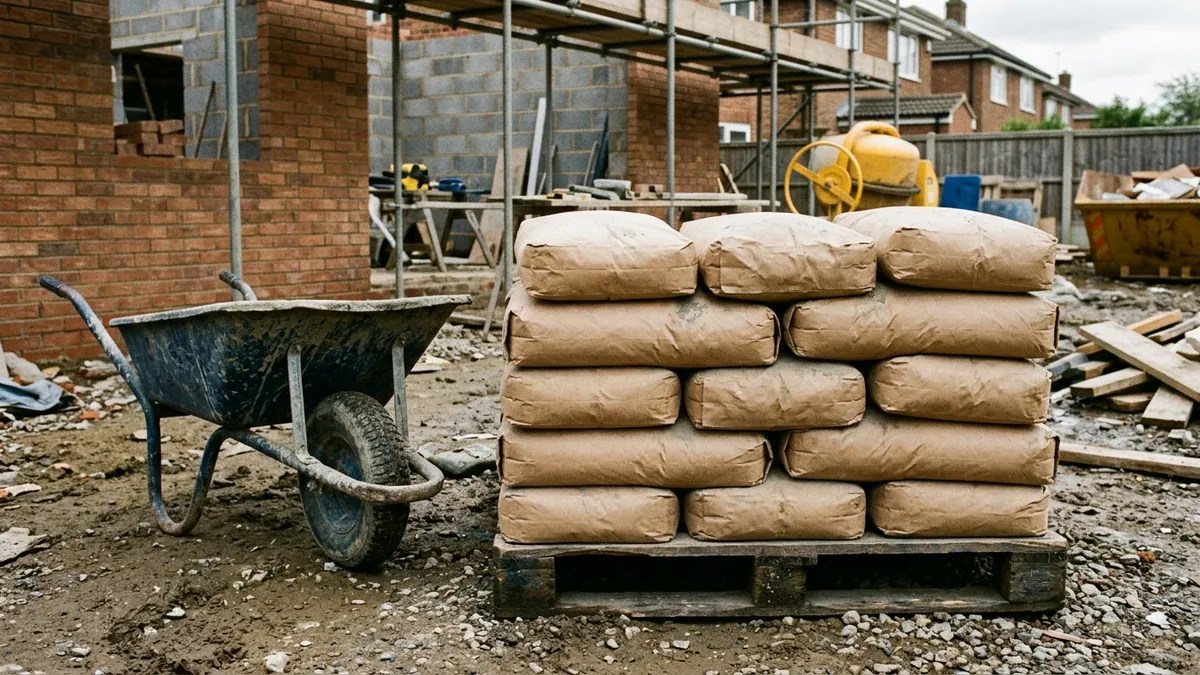
How Many 20kg Bags of Concrete Make 1m3? (UK Guide)
How many 20kg and 25kg bags of concrete make a cubic metre, why the answer is around 108 bags, and the point where bagging it stops being cheaper than delivery.
Read guide →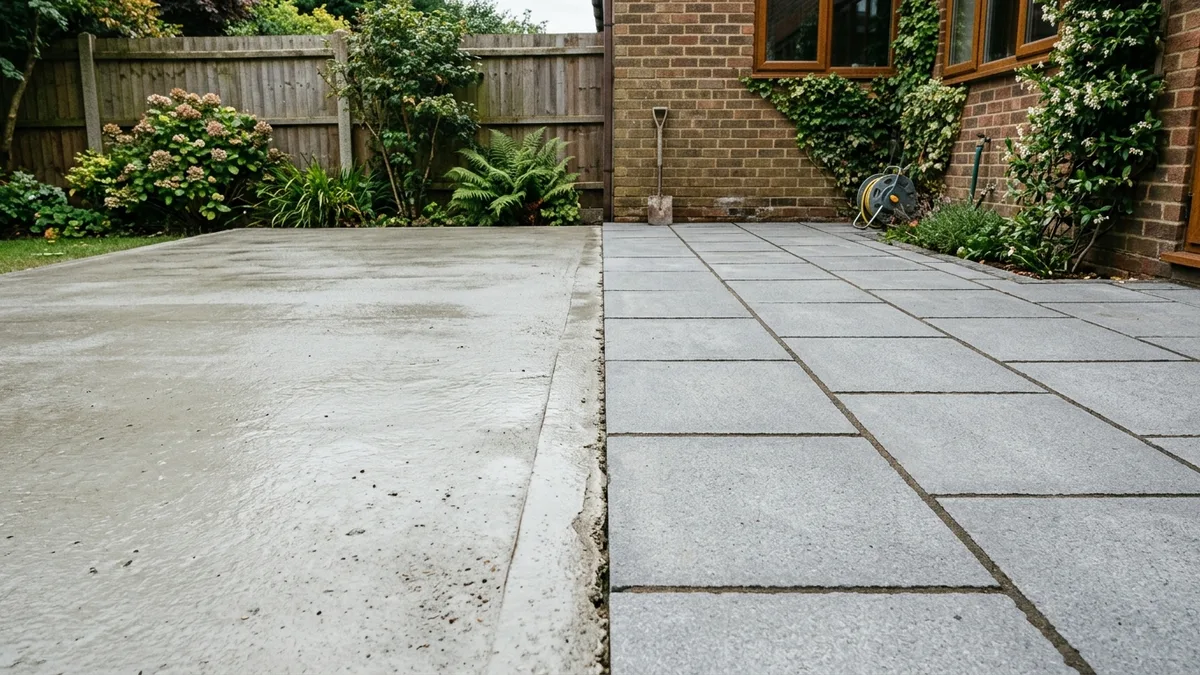
Is It Cheaper to Lay Concrete or Slabs? UK Cost Comparison
Poured concrete vs paving slabs compared on material cost, labour, lifespan and repair. Which is genuinely cheaper for a patio, driveway or shed base in the UK.
Read guide →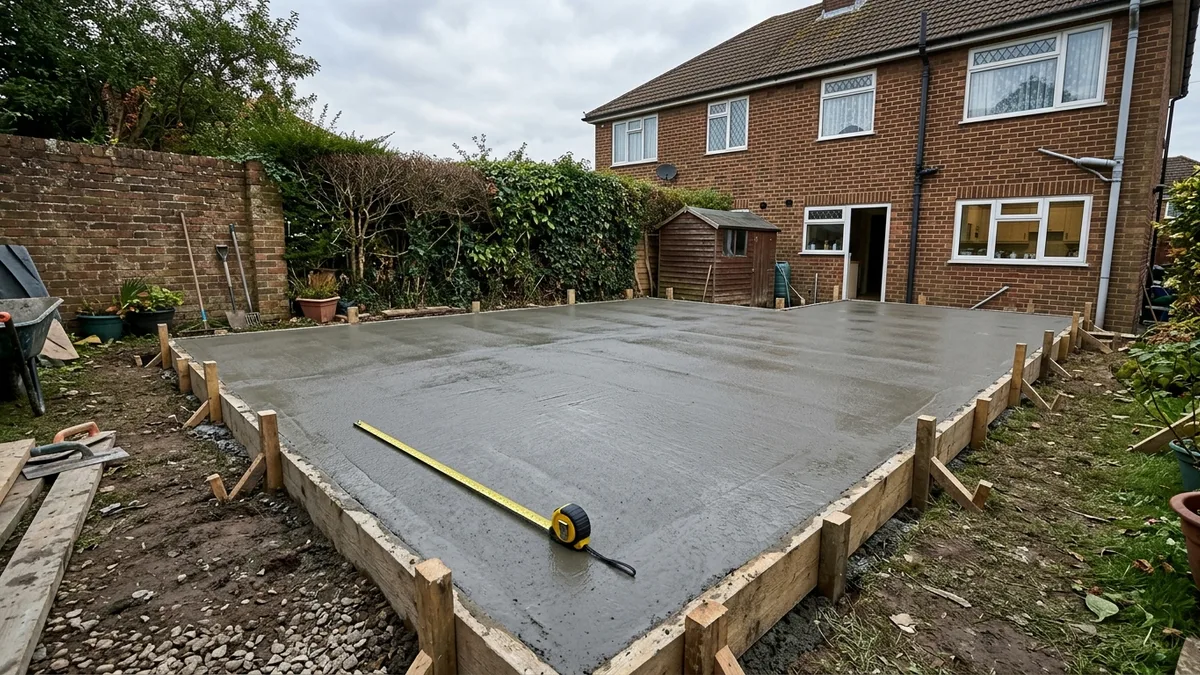
Concrete Slab Cost UK: Price by Slab Size (2025)
What a concrete slab costs in the UK by size, including 10x12 and 12x12, the concrete price per m2 at 100mm and 150mm, and what laying it adds on top.
Read guide →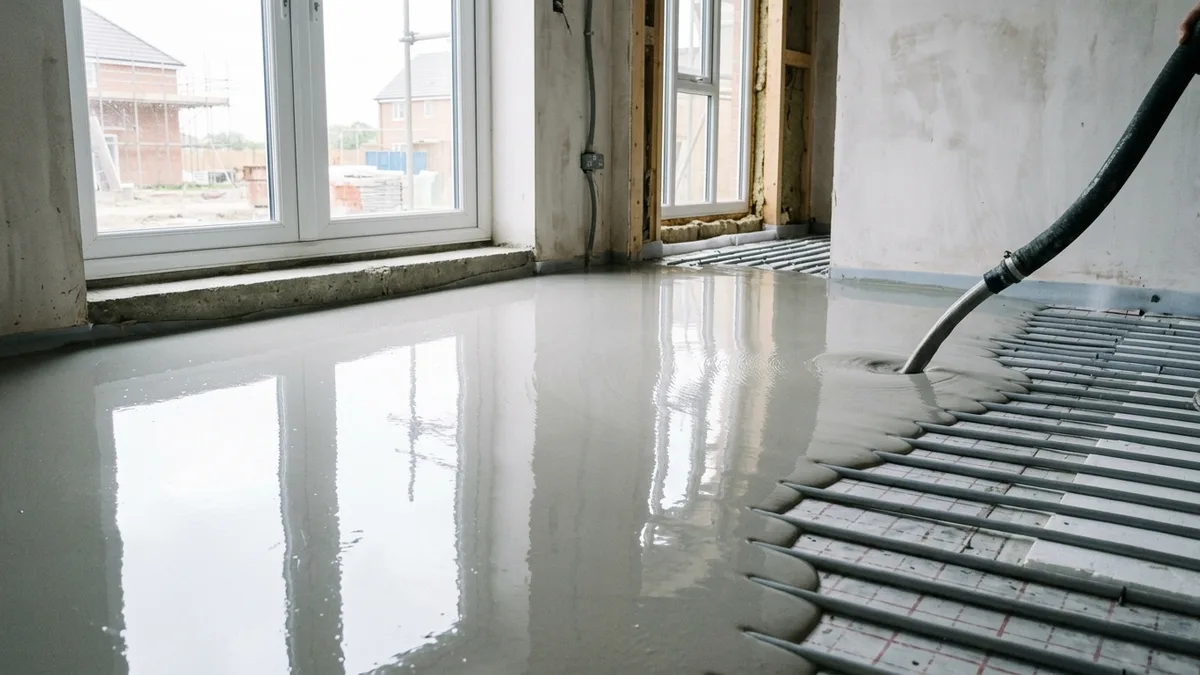
What Is Self-Levelling Screed? UK Guide to Liquid Floor Screed
Self-levelling screed explained: how liquid anhydrite and cement screeds work, depths, drying times, underfloor heating suitability and where it beats sand and cement.
Read guide →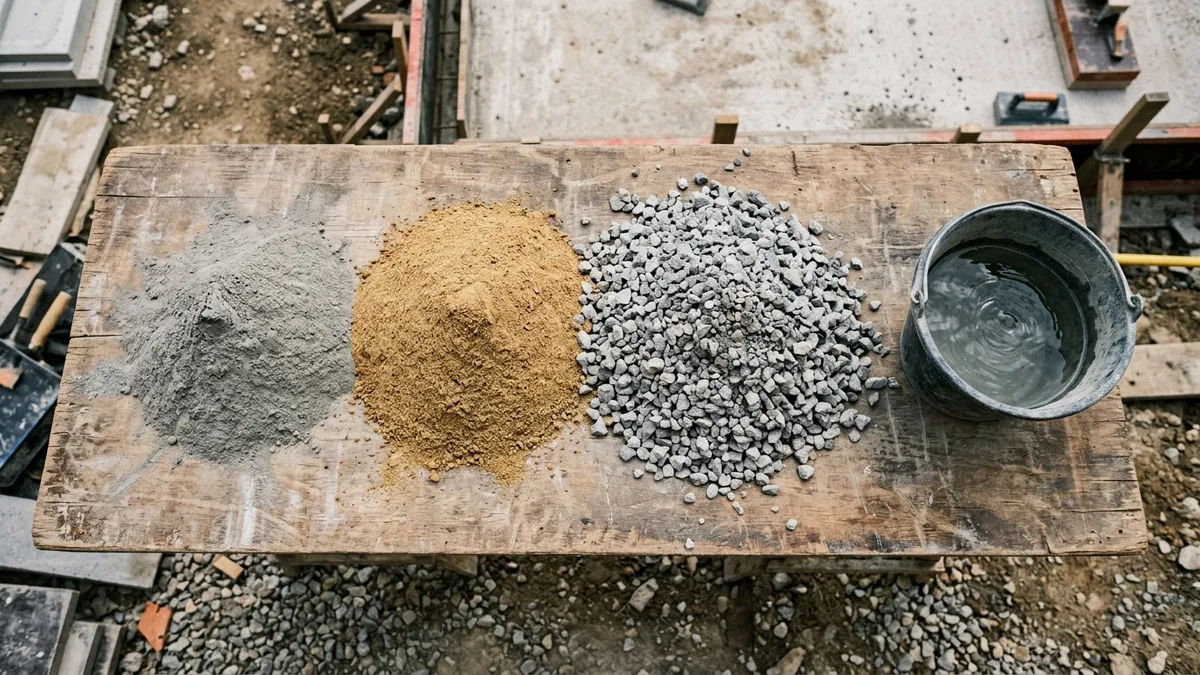
Concrete Mix Ratio: 1:2:4 for General Use (Full UK Guide)
The standard concrete mix ratio is 1:2:4 (cement:sand:aggregate) for general work, 1:1.5:3 for structural jobs. Full UK guide by job type, with the water-cement ratio explained.
Read guide →
Alternatives to Portland Cement: Low-Carbon Options for UK Concrete
The realistic alternatives to Portland cement in UK concrete: GGBS, fly ash, limestone calcined clay and geopolymer. What each replaces, what it costs you in set time and strength.
Read guide →
Concrete Admixture Dosage: How Much to Add Per m3 (UK Guide)
Typical concrete admixture dosage rates per cubic metre for plasticisers, accelerators, retarders and air-entrainers, why dosage is set by cement content, and the overdosing risks.
Read guide →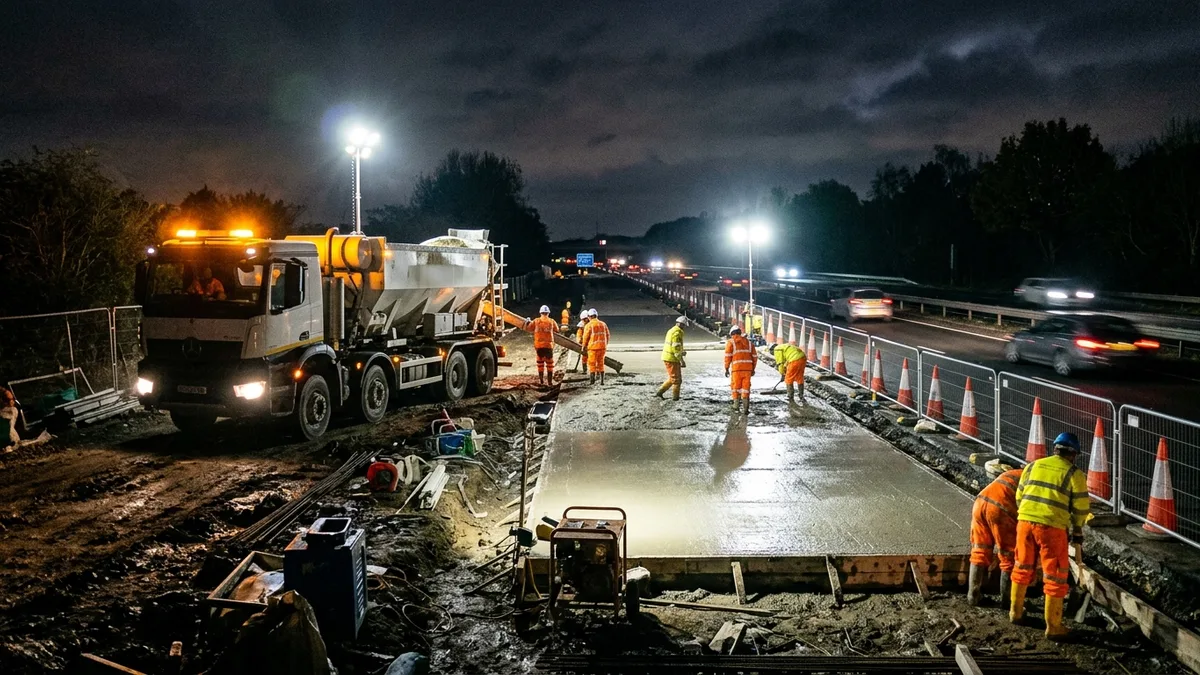
24/7 Concrete Delivery Explained: How Round-the-Clock Concrete Supply Works
How 24/7 concrete delivery actually works: volumetric mixing, night and weekend dispatch, who needs it, and what out-of-hours concrete costs vs daytime supply.
Read guide →
Fibre Reinforced Concrete vs Steel Mesh: Which Should You Choose?
Fibre vs mesh reinforcement compared: labour, placement risk, and cost. When fibre can replace mesh, and when a structural engineer will specify mesh only.
Read guide →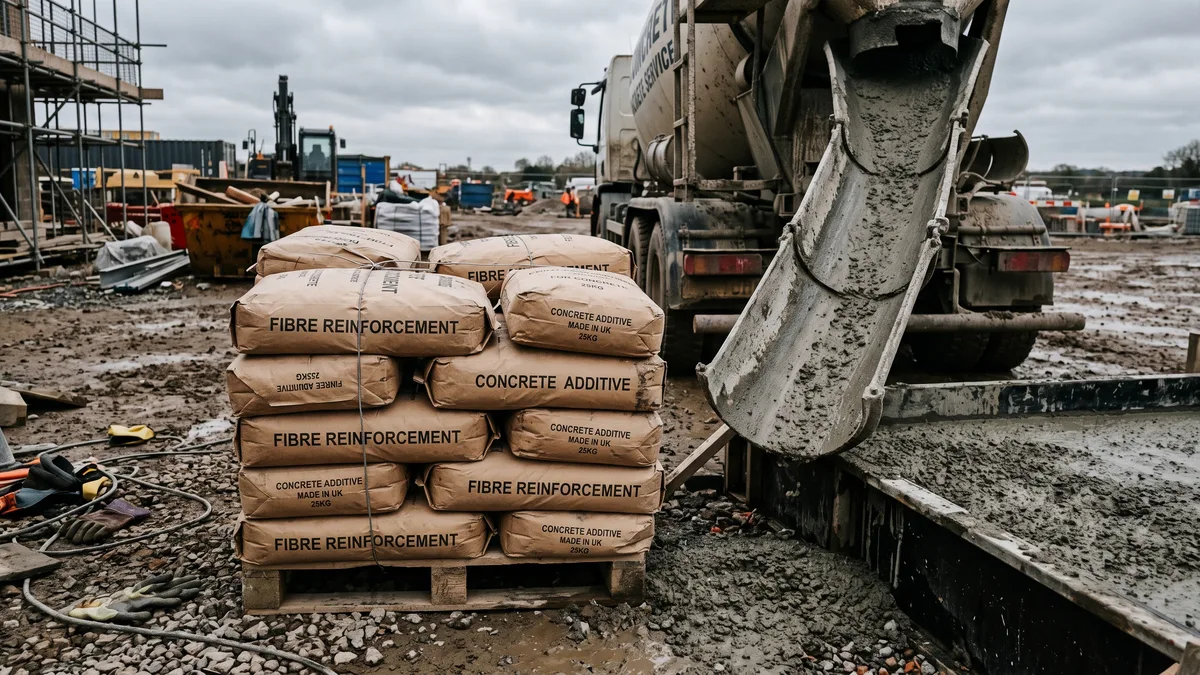
How Much Fibre Do You Need Per m³ of Concrete? Dosage Guide
Typical fibre dosage per m³: around 0.9kg for polypropylene micro-fibre crack control, significantly more for structural steel or macro-synthetic fibre.
Read guide →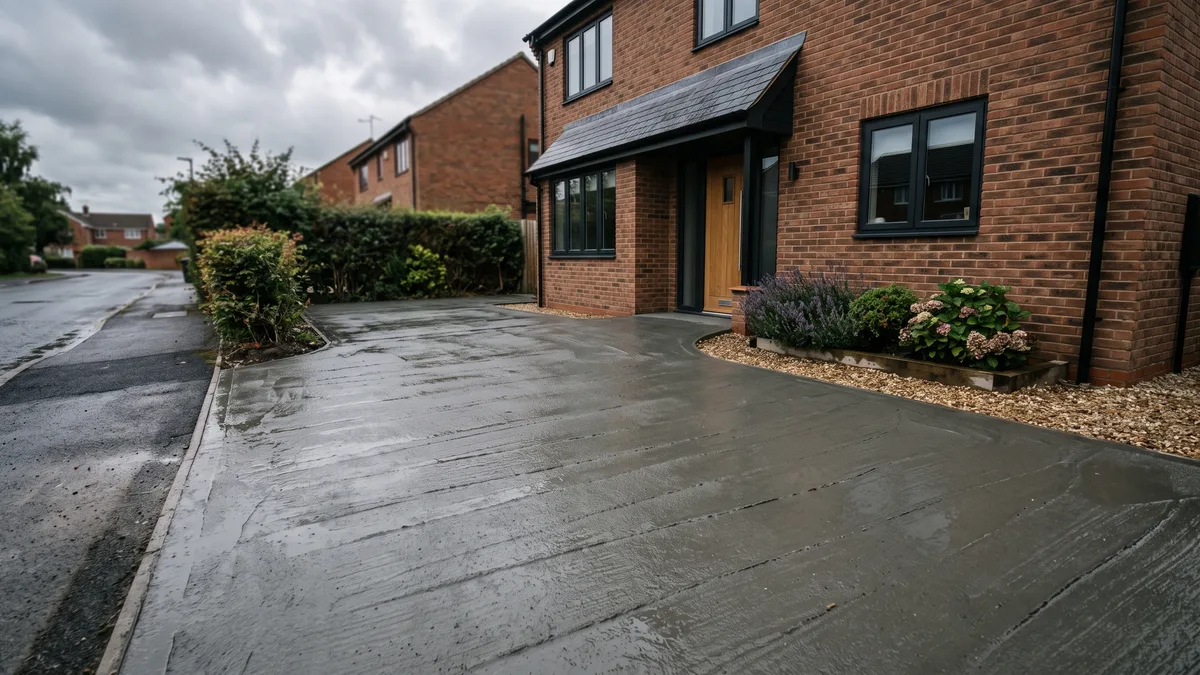
Fibre Reinforced Concrete for Driveways: Is It Worth It?
Fibre reinforced concrete driveways resist shrinkage cracking without laying steel mesh. When fibre is worth it, and when standard mesh is still the answer.
Read guide →
Steel vs Polypropylene Fibre Reinforced Concrete Compared
Steel fibres add structural load-bearing capacity, polypropylene controls shrinkage cracking. Which fibre type suits your slab, floor, or driveway.
Read guide →
How to Add Fibres to Concrete: A Step-by-Step Guide
How to add fibres to concrete correctly: dosage, mixing order, and mixing time. The steps that stop fibres balling up instead of spreading evenly.
Read guide →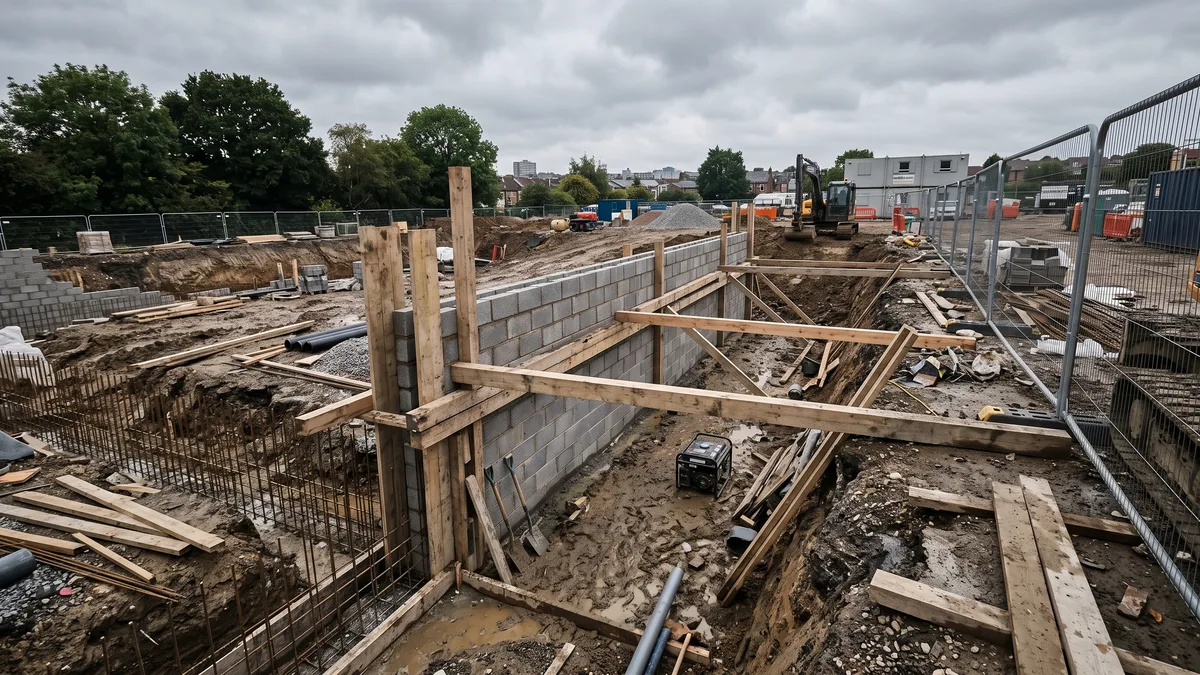
Do You Need to Waterproof Concrete Blocks Below Ground? UK Regs Guide
UK Building Regulations require resistance to moisture from the ground for below-ground concrete block walls. What Approved Document C means for your project.
Read guide →
Signs of Water Damage in a Concrete Block Wall (And How to Fix It)
Efflorescence, spalling, damp patches, and cracking: what water damage in a concrete block wall looks like, what causes it, and how to fix each one.
Read guide →
Best Waterproof Sealants for Concrete Block Walls Compared
Elastomeric paint, silicate densifier, cementitious coating or membrane: which waterproof sealant suits a concrete block wall, compared by cost and use case.
Read guide →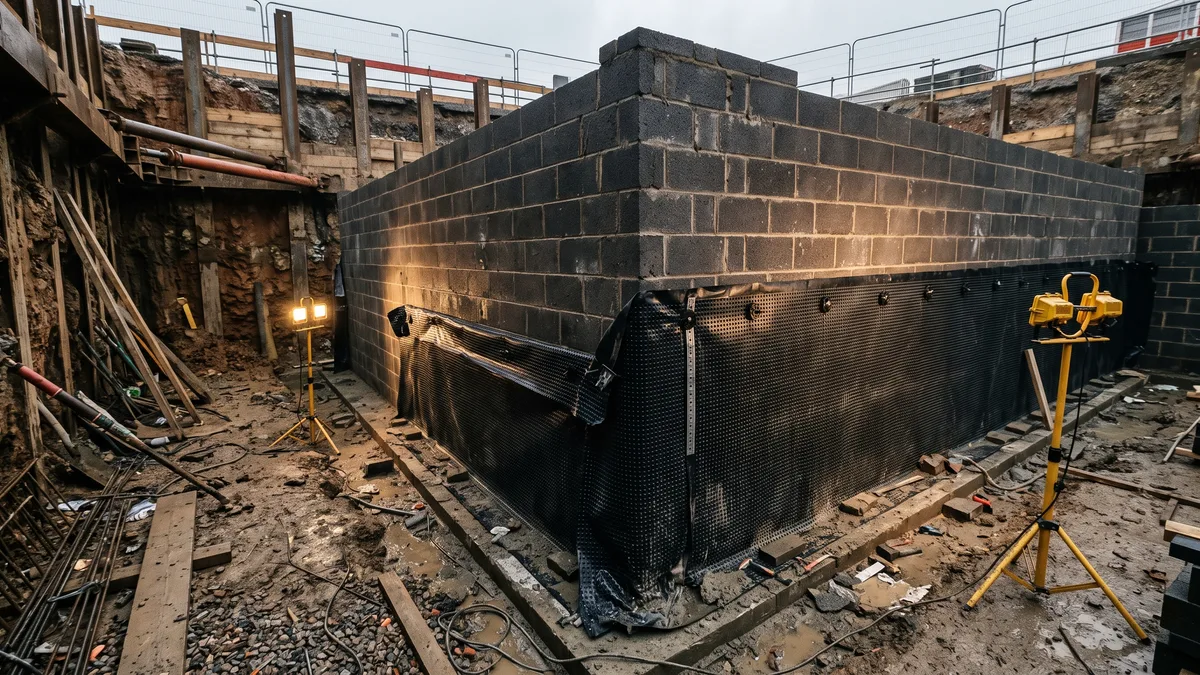
Basement Concrete Block Waterproofing: Full Guide
Basement concrete block walls face constant hydrostatic pressure. The right system, drainage, and sump strategy for a genuinely dry basement conversion.
Read guide →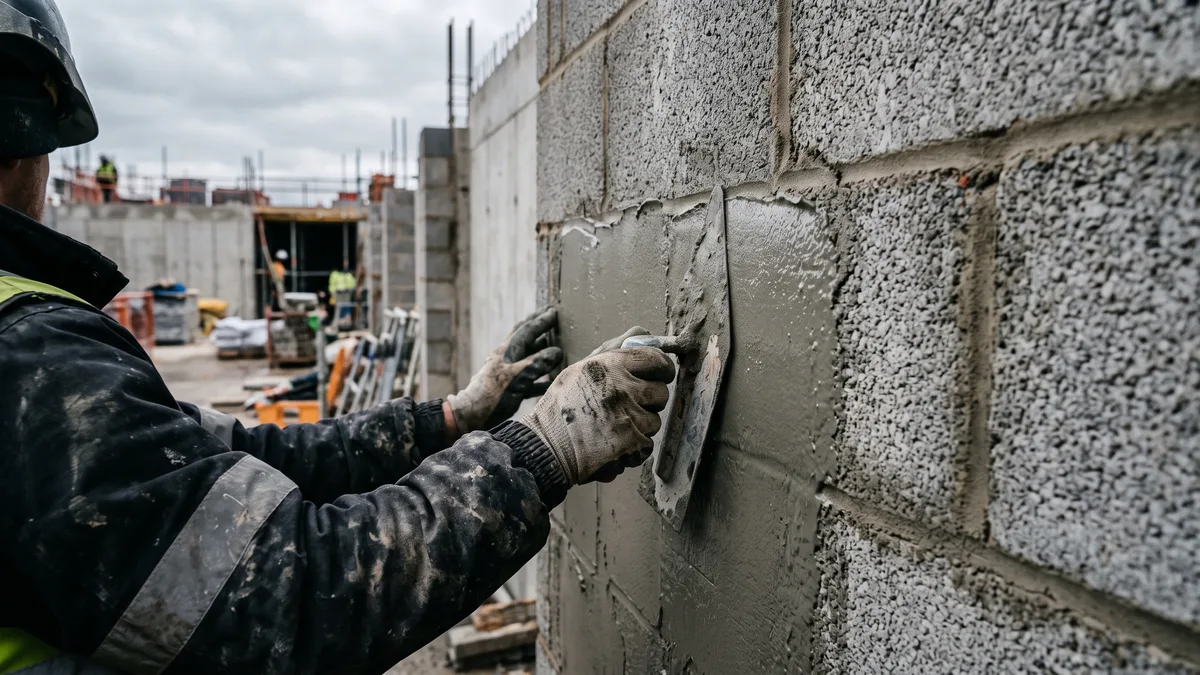
How to Waterproof a Concrete Block Wall: Step-by-Step
How to waterproof a concrete block wall in 5 steps: clean, repair, prime, apply your chosen system, and cure. Tools, products and drying times explained.
Read guide →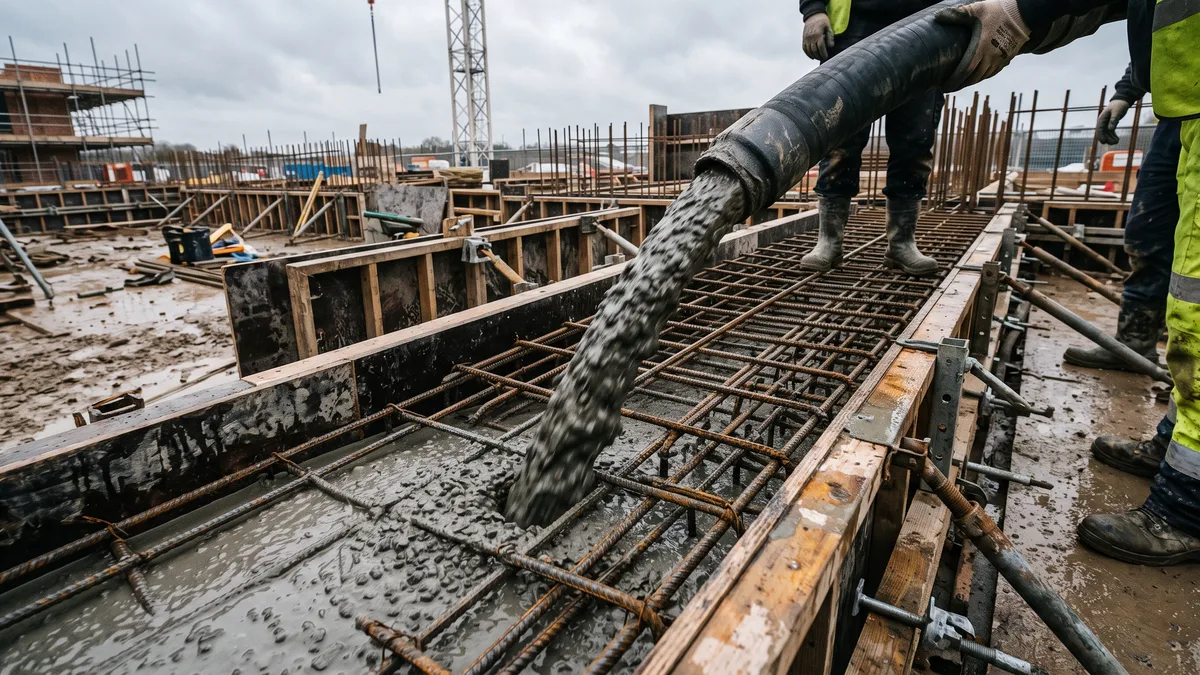
Self-Compacting Concrete Price Guide (UK)
Self-compacting concrete costs 15-25% more than standard ready-mix per m³. UK price guide, when to specify it, and how to get an accurate SCC quote.
Read guide →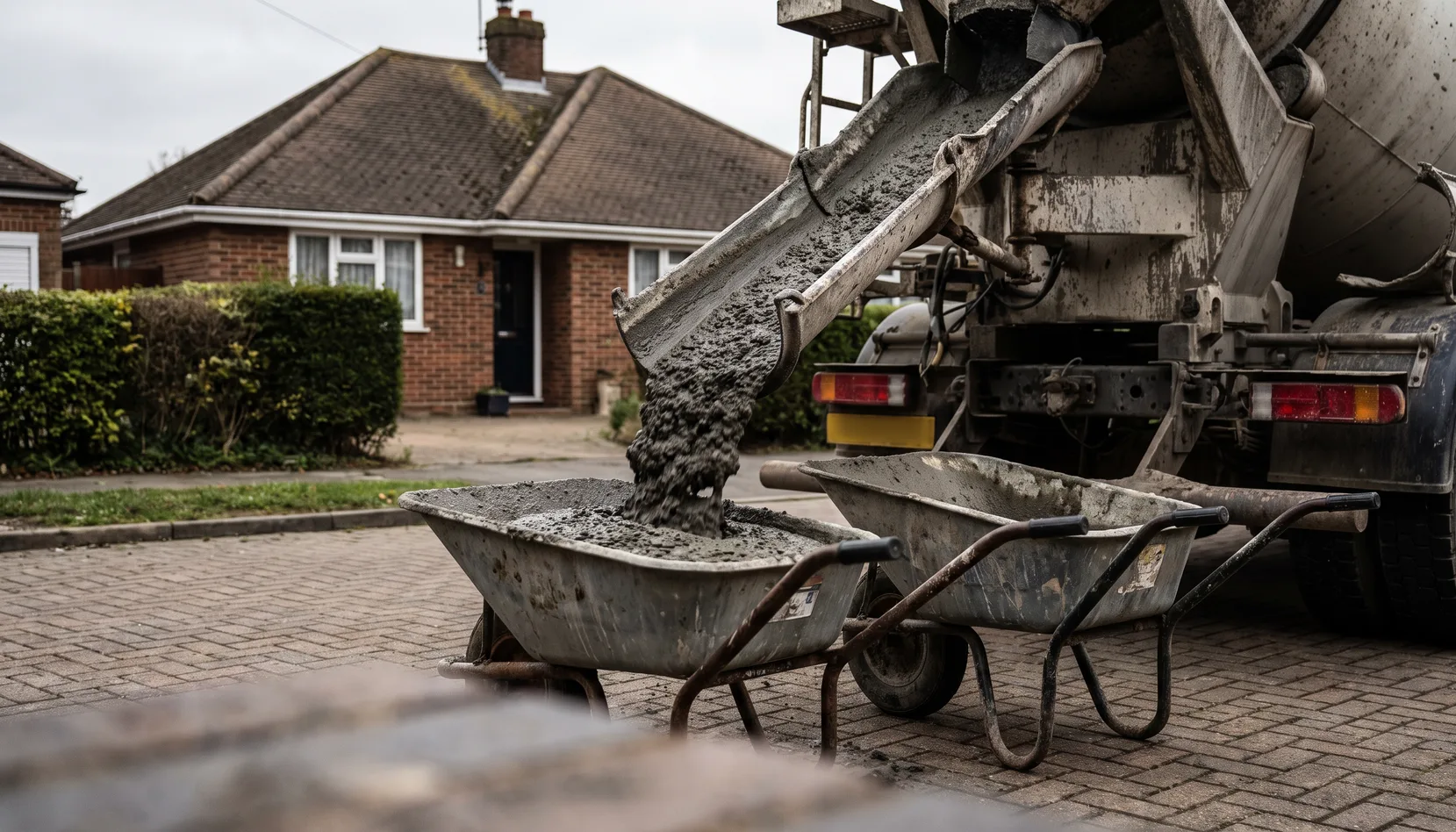
Barrow Mix Concrete: What It Is, Costs and When to Use It (UK)
What barrow mix concrete is, how many wheelbarrows make a cubic metre, what it costs, and when it beats bagged or ready-mix. Volumetric supply across Yorkshire and the North West from Procon 24/7.
Read guide →
5 Types of Concrete Reinforcement Explained (UK Guide)
The 5 types of concrete reinforcement: rebar, mesh, fibre, CFRP & post-tensioning. Cover requirements, when each is needed, install best practice.
Read guide →
How Long Does Concrete Take to Set? 24–48 Hours (UK Guide)
Concrete sets in 24–48 hours: walk on it at 24 hours, drive at 7 days, full strength at 28. See how weather, grade and admixtures shift the window.
Read guide →
UK Concrete Calculator: How Much Concrete Do You Need?
Calculate concrete volume in m³ for slabs, driveways, footings and more. UK grade guide, thickness tables, waste allowance tips. Procon 24/7, Yorkshire & North West.
Read guide →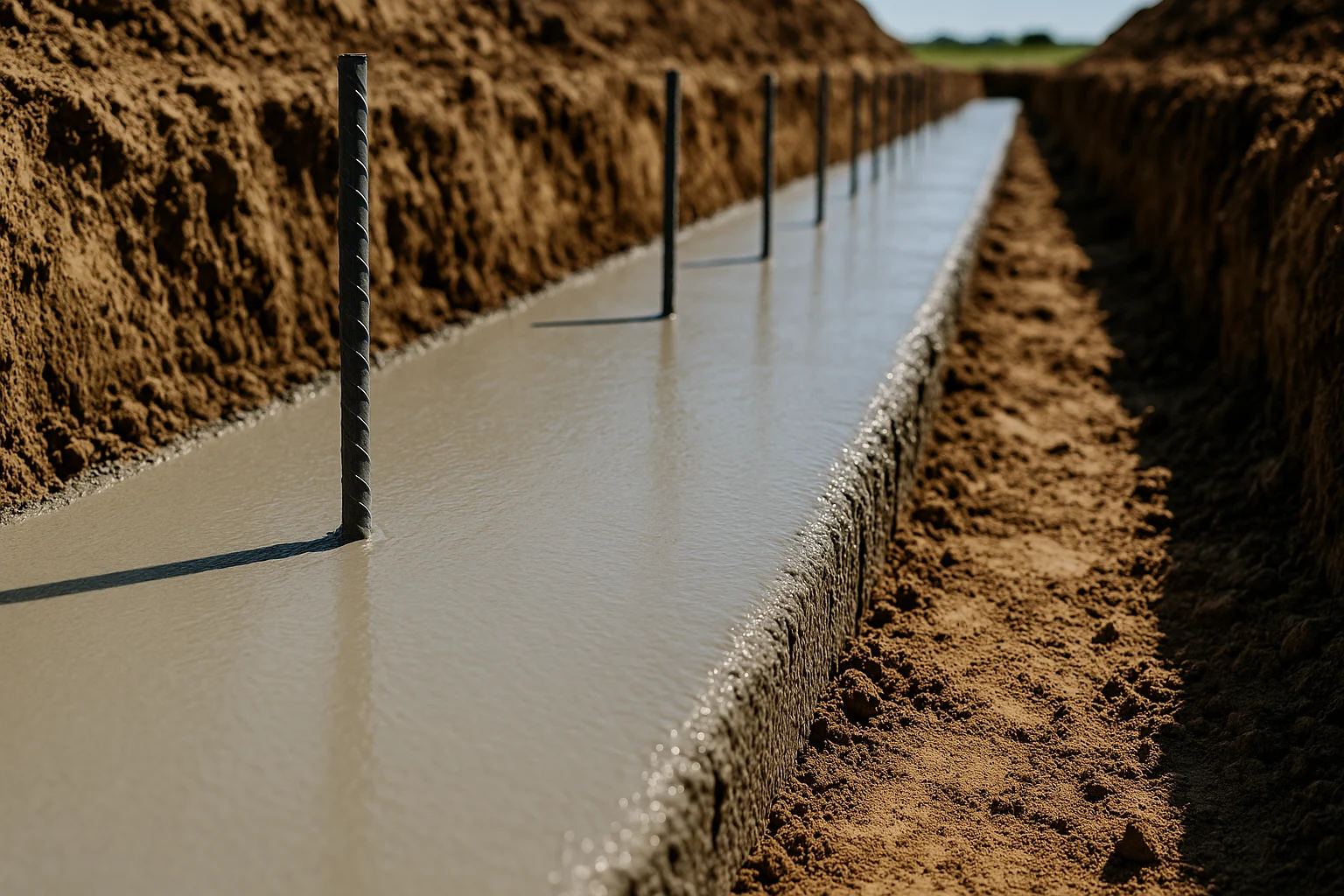
Concrete for Footings & Foundations UK: C25 Grade Guide
C25 (GEN3) is the correct grade for most UK footings. Procon 24/7 covers grades, volumes, strip footing depth, and common mistakes. Yorkshire & North West.
Read guide →
How to Mix Concrete in 2025: Ready-Mix vs Volumetric
Modern concrete mixing means plant-batched ready-mix or on-site volumetric batching, not a wheelbarrow. Procon 24/7 explains which method suits your project.
Read guide →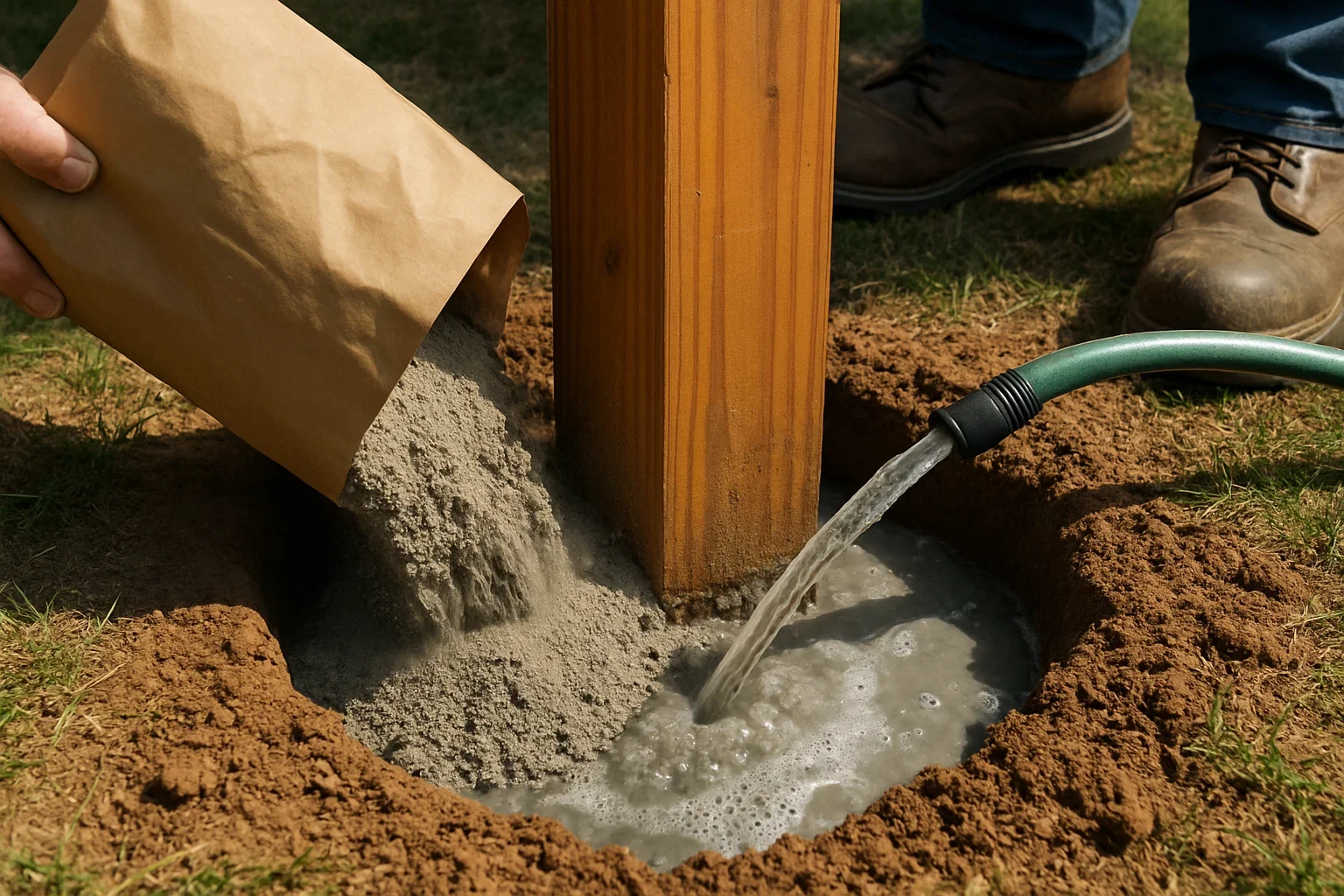
What Is Quick-Set Concrete? UK Guide | Procon 24/7
Quick-set concrete sets in 20–40 min: right for fence posts, wrong for driveways. For infrastructure pours, only Ultra Rapid Set concrete makes the grade.
Read guide →
Why Is My Concrete Driveway Cracking After Winter? UK Guide
Winter driveway cracks are caused by freeze-thaw cycles. Procon 24/7 explains why it happens and how to fix it. Same-day concrete delivery Yorkshire & North West.
Read guide →
How to Finish a Concrete Surface: Step-by-Step UK Guide
Screed, float, edge, trowel, and texture: the 5 stages of concrete finishing explained. Procon 24/7 covers timing, tools, and UK non-slip requirements.
Read guide →
How Long Does Concrete Take to Dry? UK Curing Guide
Walk on it after 24–48 hrs, vehicles after 7 days, full strength at 28 days. Procon 24/7 explains every factor affecting UK concrete curing times.
Read guide →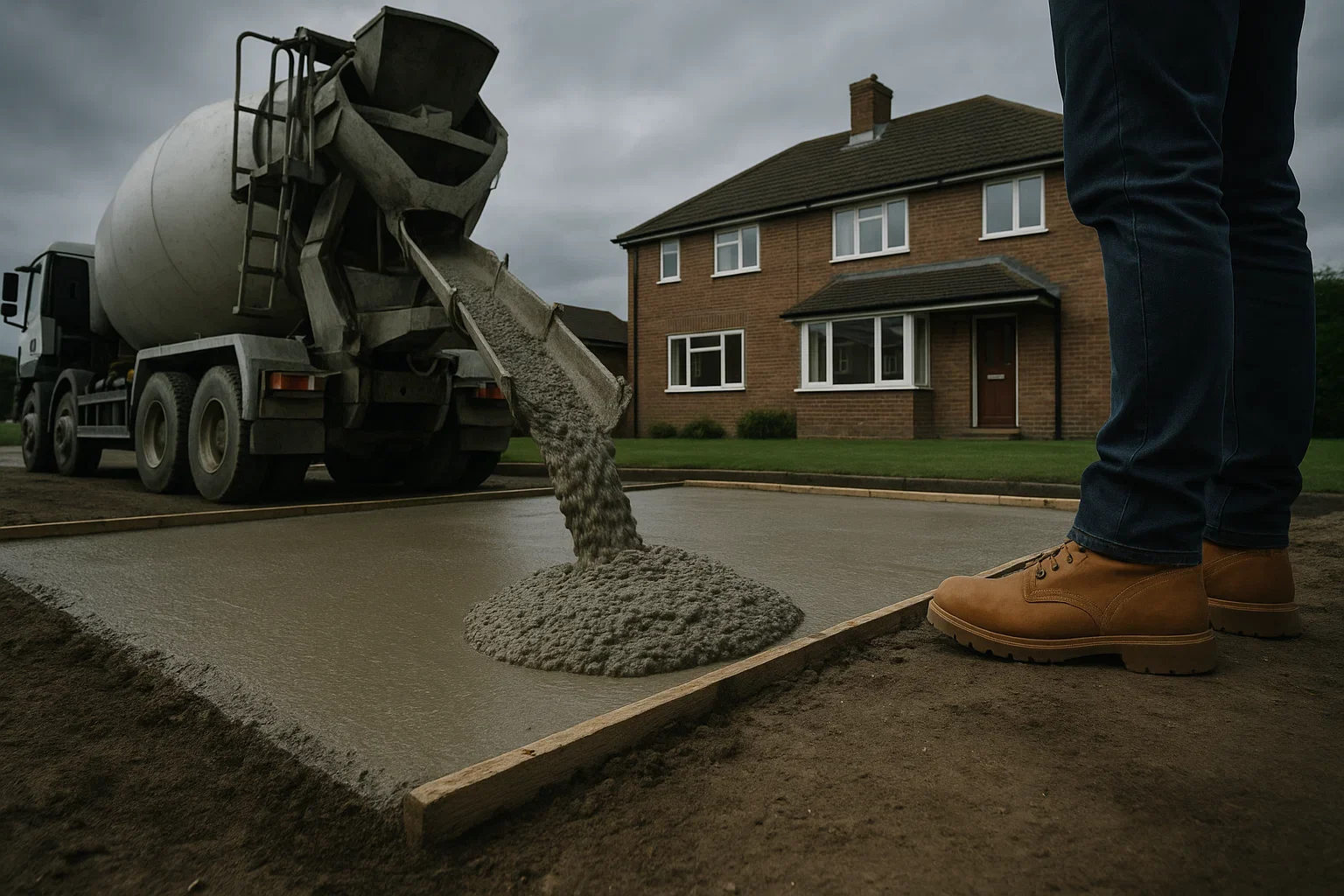
Concrete Price Per m³ 2025: Full UK Cost Guide
Concrete price per m³: £90 for C20 up to £130+ for C40. 1m³ concrete price, part-load charges, pump hire and delivery fees explained. Procon 24/7 Yorkshire & North West.
Read guide →
When to Use Ready-Mix Concrete: 4 Key Signals | Procon 24/7
Ready-mix is right for certified strength, large volumes, and precise schedules. Procon 24/7 explains the 4 signals, plus when 24/7 supply changes the equation.
Read guide →
Ready-Mix Concrete Bags: How to Use Them Safely
Bags of ready mix cement, also called ready-mix concrete bags, are pre-blended mixes. Learn how to mix them safely and when bagged concrete is impractical.
Read guide →
Volumetric vs Ready-Mix Concrete: Which Is Right for You?
Volumetric mixes on-site with no waste or 90-min clock. Ready-mix suits large planned pours. Procon 24/7 compares both. Same-day Yorkshire and North West.
Read guide →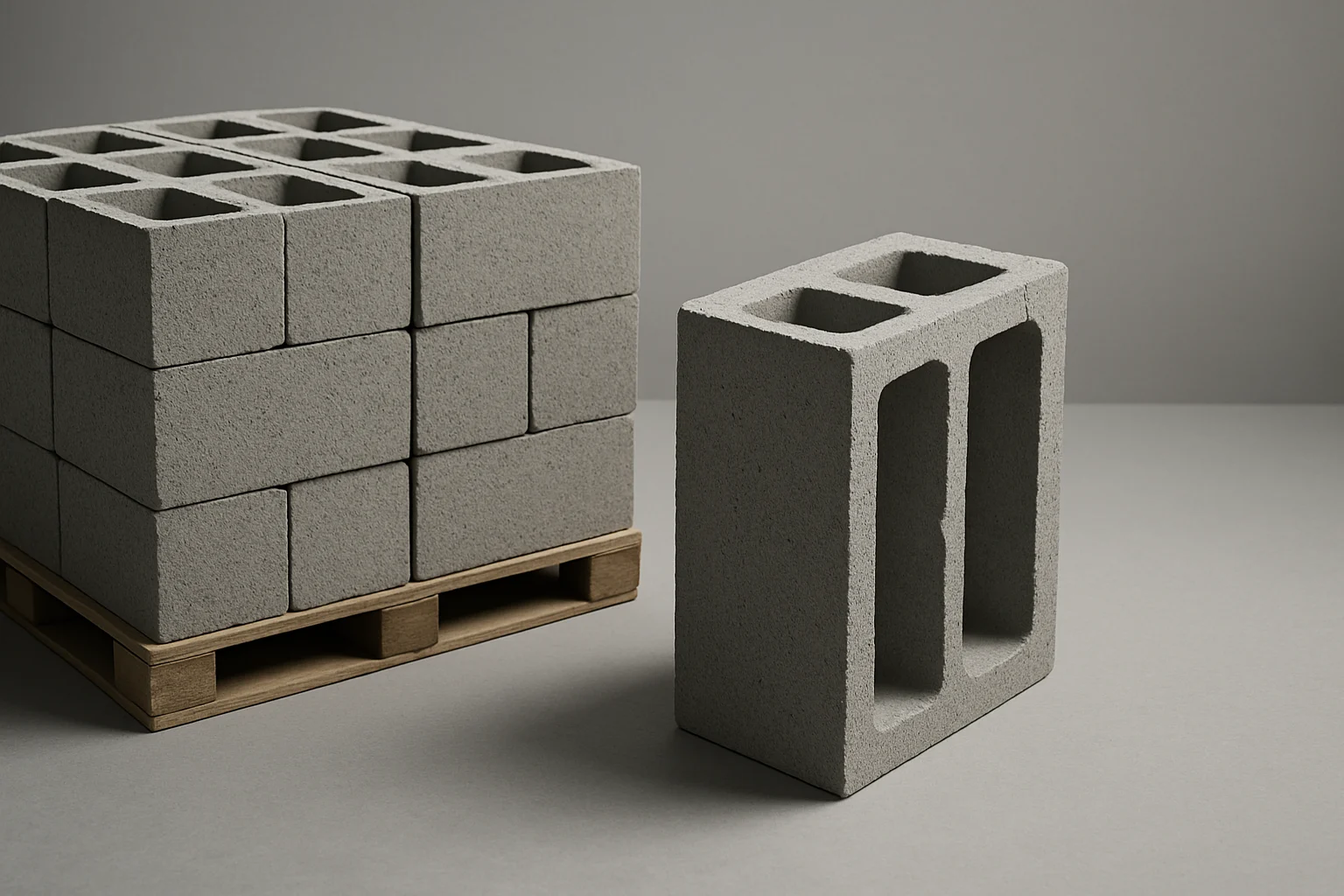
Concrete Blocks Explained: UK Sizes, Types and Strengths
Standard UK concrete block size is 440 x 215mm, in 100, 140 and 215mm widths. Full spec tables for sizes, weights, densities and strength classes, plus dense vs lightweight vs hollow explained.
Read guide →
Concrete Specialists Yorkshire & North West | Procon 24/7
Find certified concrete specialists across Yorkshire and the North West. Ready-mix, volumetric, pumping, and domestic concrete. Same-day delivery available.
Read guide →
What Is Ready-Mix Concrete? UK Guide to RMC | Procon 24/7
Ready-mix concrete is plant-batched to BS EN 206, delivered by drum wagon with a 90-min discharge window. Procon 24/7 explains grades, slump classes, and when to use it.
Read guide →
Admixtures in Concrete: Every Type & What Each One Does
Admixtures in concrete explained: what admixtures for concrete do, the main types (plasticisers, accelerators, air-entrainers) and when to use each. UK guide.
Read guide →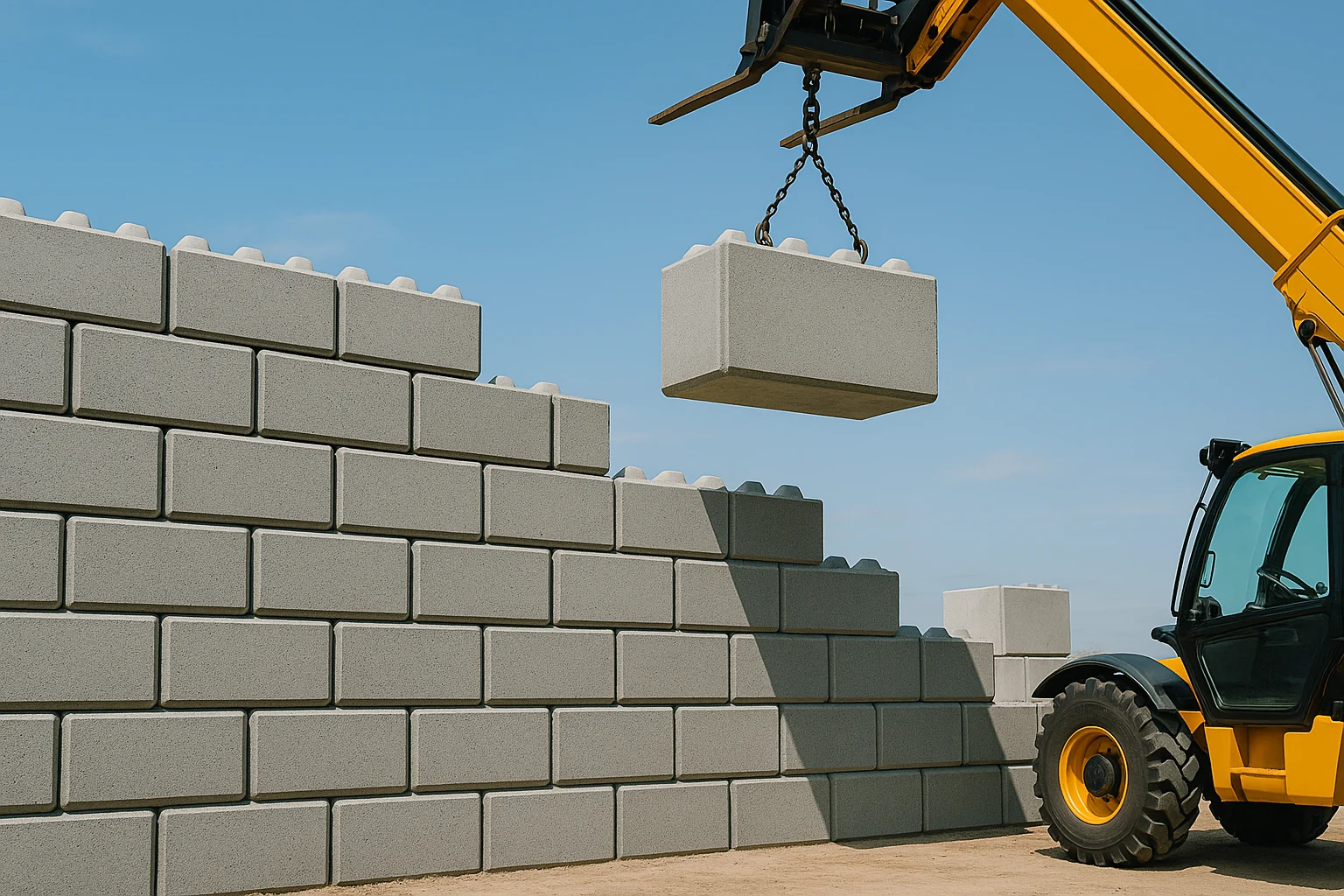
History of Concrete Blocks: From 1824 to Modern Construction
Discover how concrete blocks evolved from Victorian Portland Cement to today's engineered building components. Procon 24/7 supplies concrete across Yorkshire & the North West.
Read guide →
How to Install Concrete Fence Posts: Step-by-Step UK Guide
Concrete fence post installation guide: correct depth, mix type, alignment, and the 4 costly mistakes to avoid. Procon 24/7, Yorkshire & North West.
Read guide →
5 Benefits of Concrete Fence Posts for UK Garden Boundaries
Concrete fence posts outlast wood by decades: zero maintenance, storm-proof, and rot-free. Procon 24/7 supplies concrete for fence post installation across Yorkshire.
Read guide →
Eco-Friendly Concrete Alternatives and Low-Carbon Mixes UK
Greener concrete is possible with SCMs, recycled aggregates, and repair-first strategies. Procon 24/7 supplies low-carbon concrete across Yorkshire & the North West.
Read guide →
What Is Concrete Lifting? UK Polyurethane Repair Guide
Concrete lifting raises sunken slabs without replacement. Faster, cheaper, and less disruptive. Expert guide to polyurethane foam injection from Procon 24/7.
Read guide →
Concrete Specialists Near You: Yorkshire & North West Guide
What separates concrete specialists from basic suppliers: accreditations, service range, pumping, and coverage. Procon 24/7, Yorkshire & North West.
Read guide →
Choosing the Best Concrete Company UK: 5-Point Check
The 5 factors separating great concrete companies from basic suppliers: accreditations, service type, reviews, pricing, and pumping. Procon 24/7, Yorkshire.
Read guide →
Concrete Grades UK: C10 to C50 Strengths & Uses Explained
C10 to C50 concrete grades explained: compressive strength, GEN and RC designations, and which grade suits your project. Procon 24/7, Yorkshire & North West.
Read guide →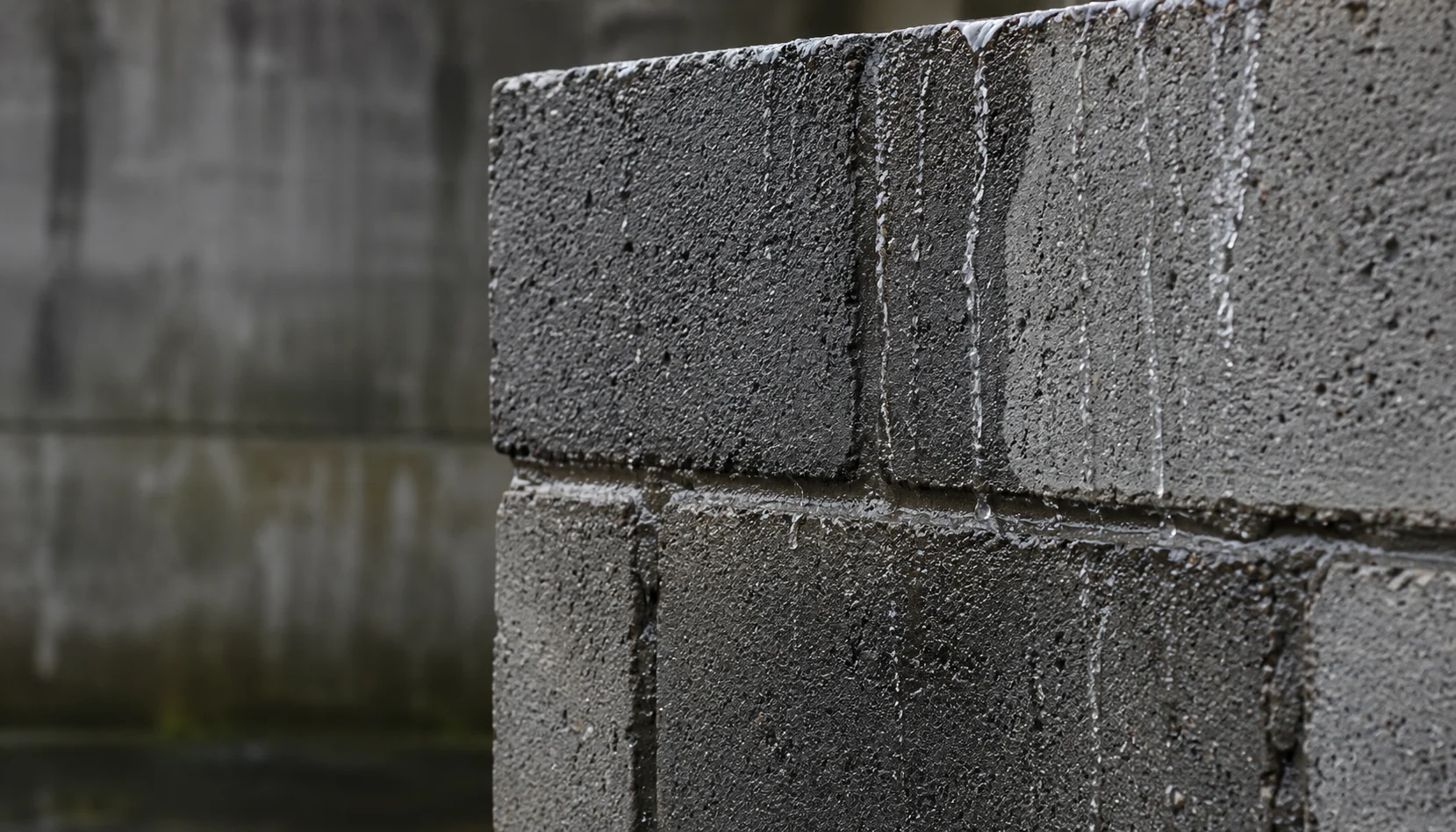
Are Concrete Blocks Waterproof? No: 3 Fixes That Work
No. Concrete blocks are porous. 3 waterproofing methods that actually stop water: sealants, cementitious coatings, and membranes for basements.
Read guide →
Can Concrete Be Recycled? UK Guide to Recycled Aggregate
Yes, concrete is highly recyclable. Learn how RCA is produced, what it's used for, and the environmental and cost benefits. Procon 24/7, Yorkshire & the North West.
Read guide →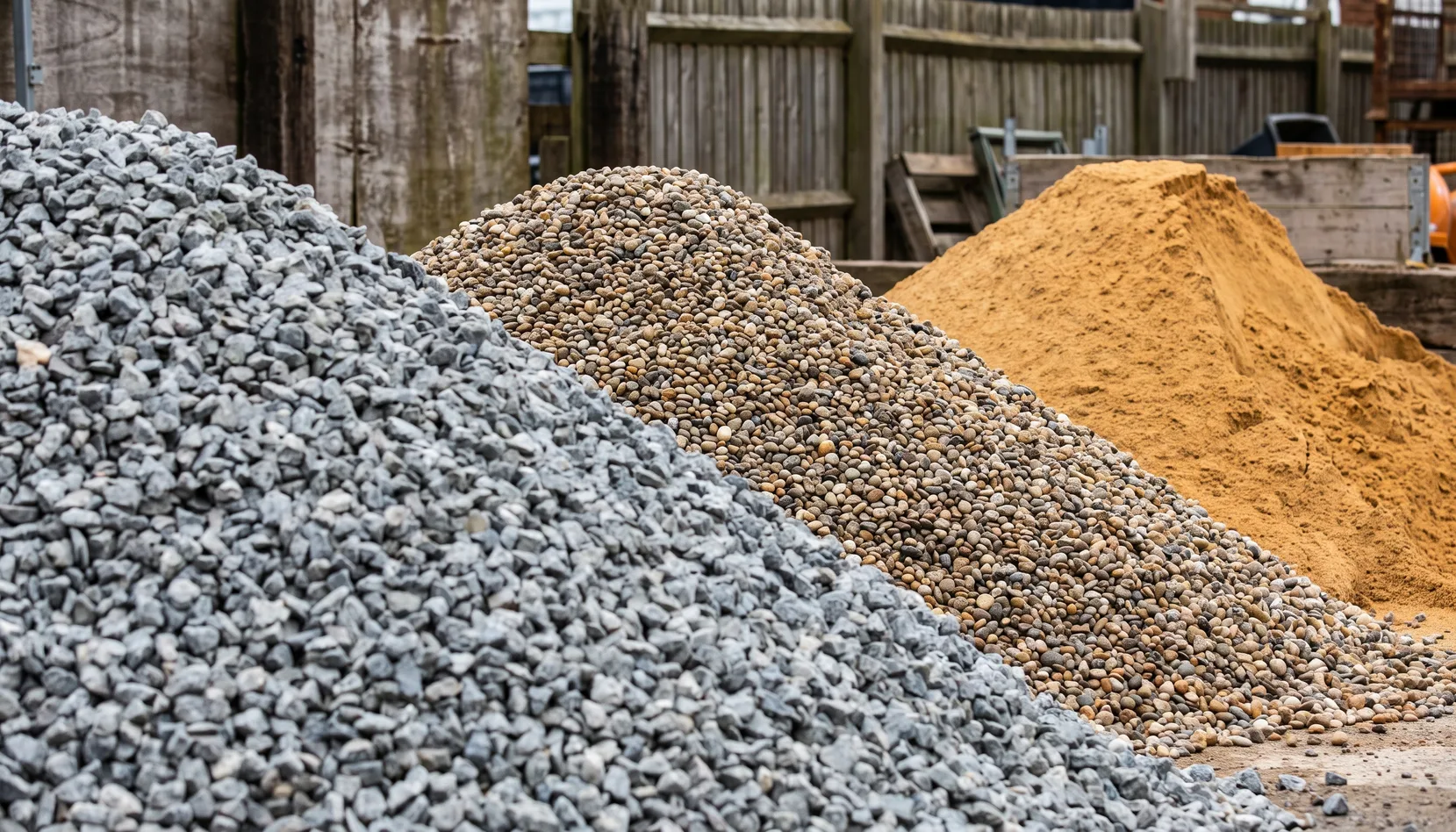
Aggregates in Concrete: What UK Builders Need to Know
Aggregates make up 60–80% of concrete. They determine strength, workability, and durability. UK guide from Procon 24/7 specialists, Yorkshire & North West.
Read guide →
Choosing the Right Concrete Mix for Your Project UK 2025
Ready-mix, volumetric, screed, or fibre-reinforced: choosing the right concrete depends on load, exposure, and access. Practical grade guide from Procon 24/7.
Read guide →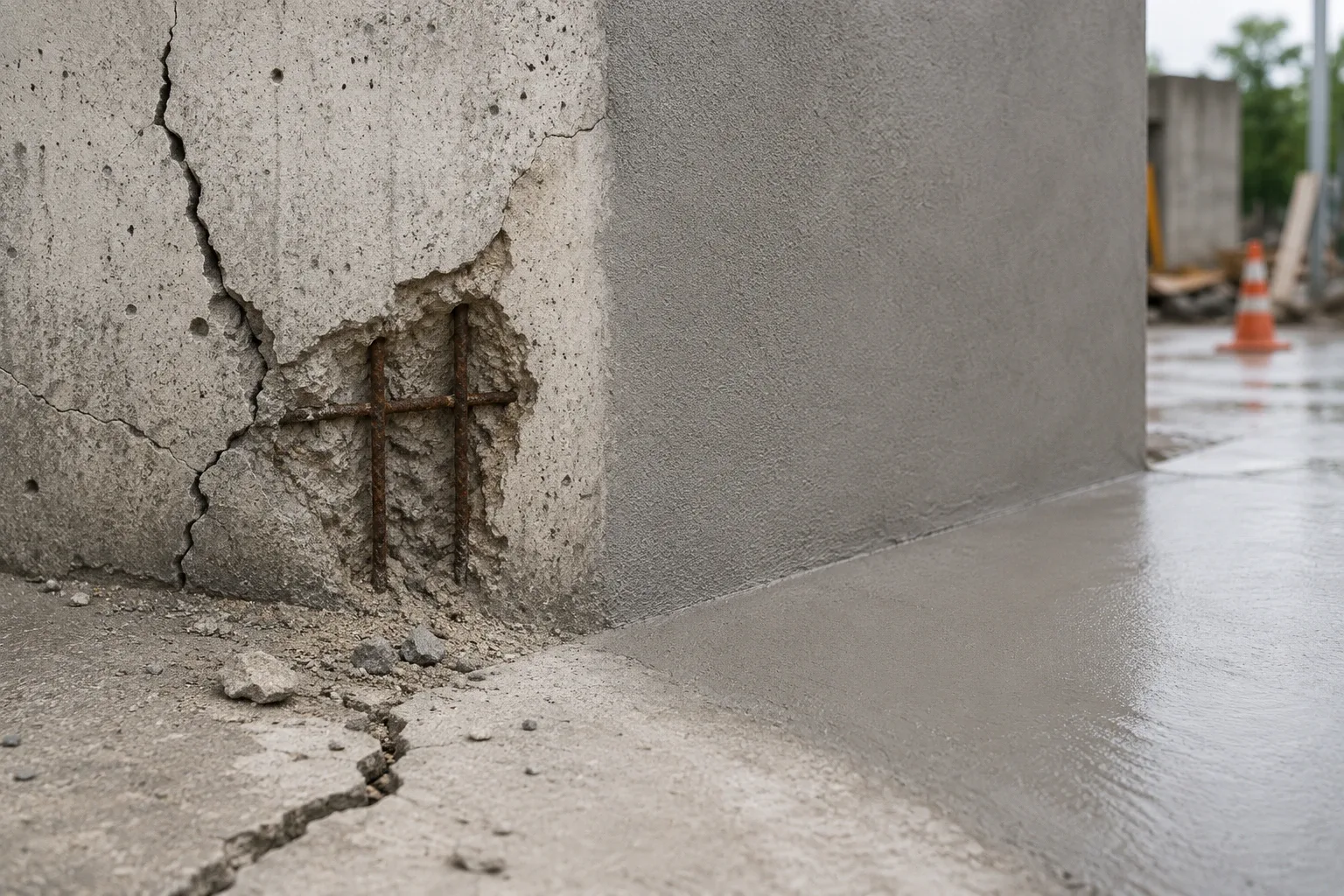
Concrete Repair Services: When to Repair, When to Replace UK
Cracks, spalling, surface damage: know when to repair and when to replace. Professional concrete repair guide from Procon 24/7, serving Yorkshire & the North West.
Read guide →
Mobile Concrete Batching Plants: Complete UK Guide
How mobile concrete batching plants work, when they beat ready-mix, and key operational considerations. Expert guide from Procon 24/7, Yorkshire & the North West.
Read guide →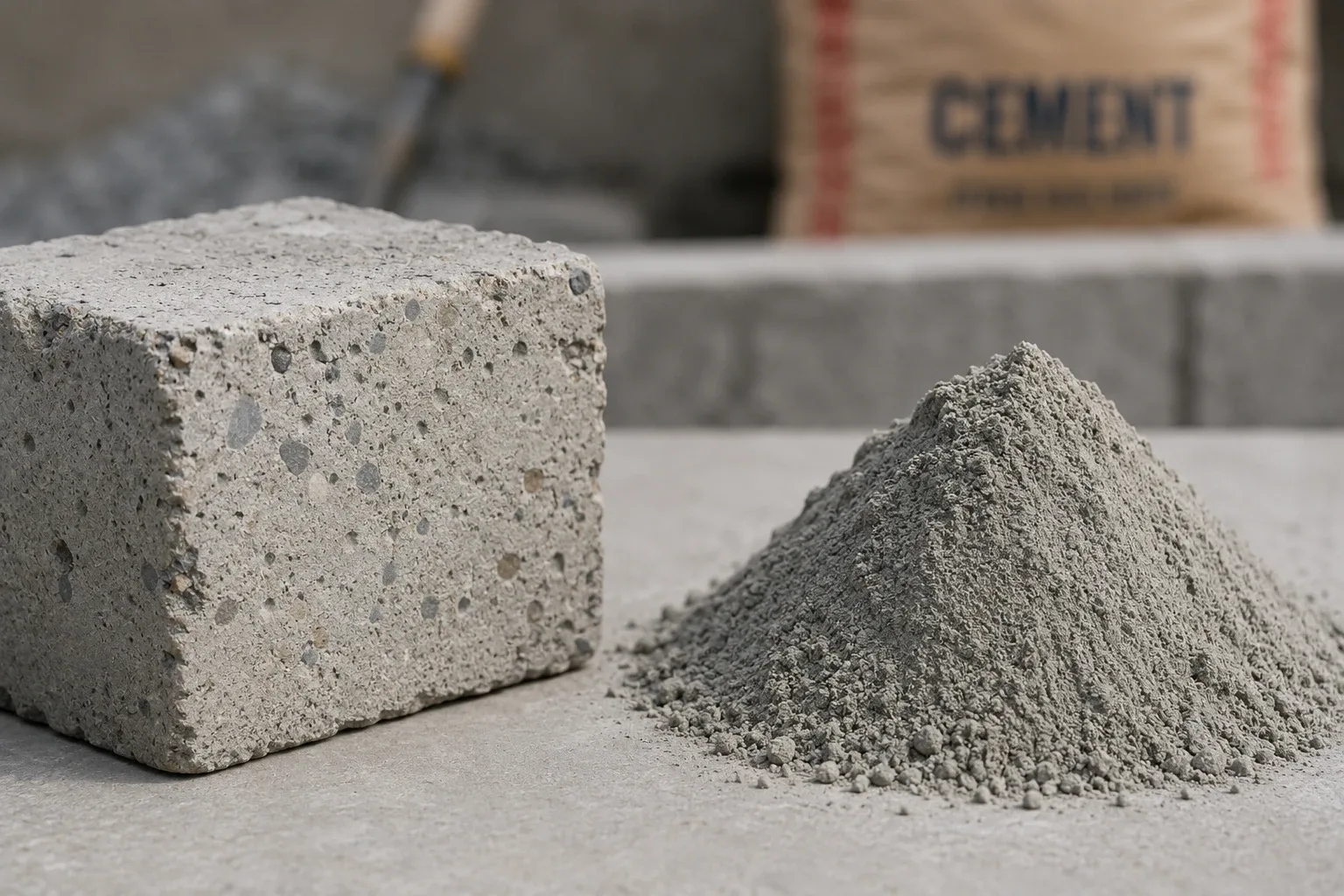
Concrete vs Cement: What's the Difference? UK Guide
Concrete and cement aren’t the same; confusing them causes costly specification errors. Clear explanation from Procon 24/7, Yorkshire & North West.
Read guide →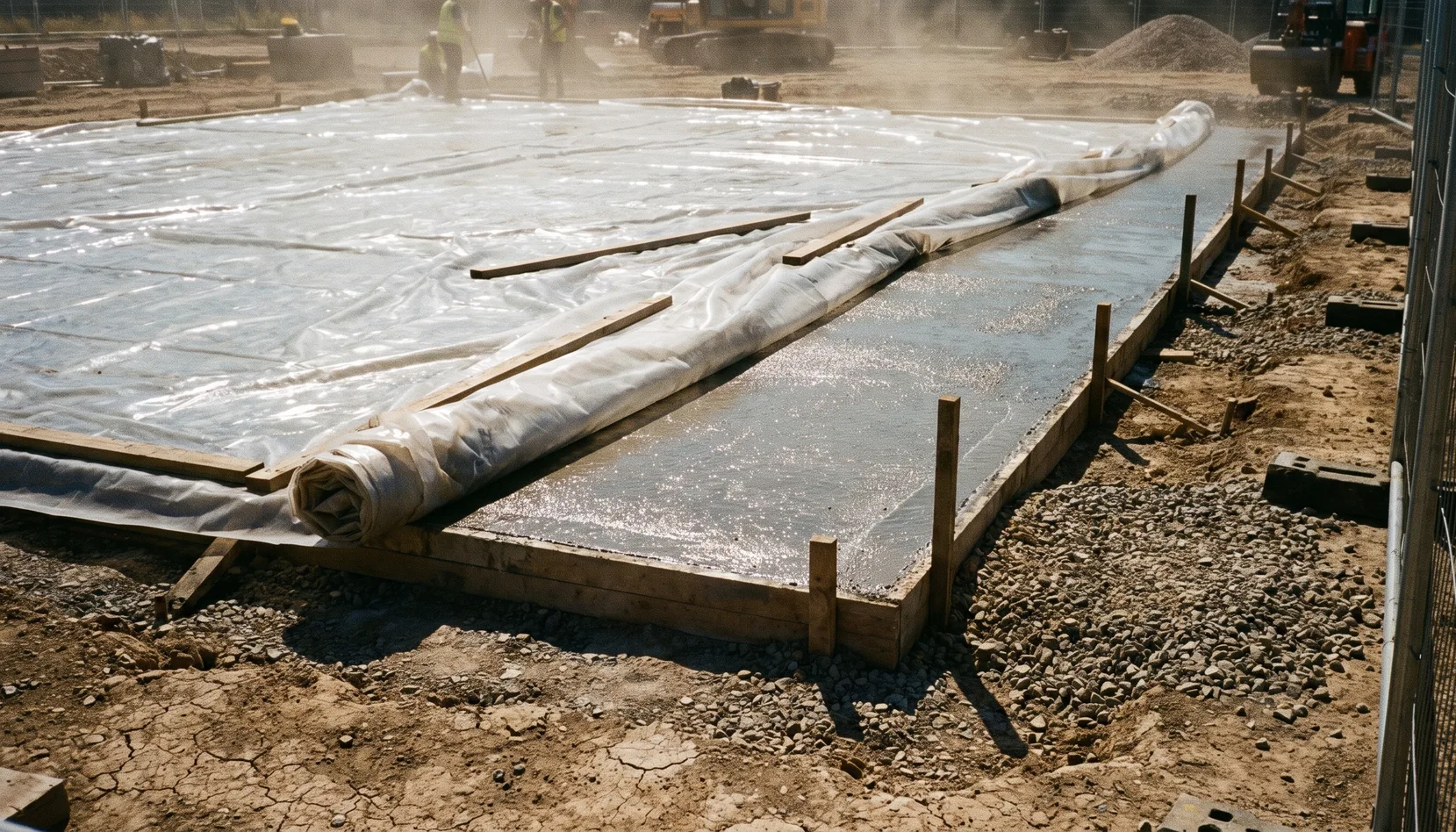
Concrete in Hot Weather: UK Best Practices Guide
Above 25°C concrete sets faster, bleeds quicker, and shrinks sooner. Tips on timing, retarders, and curing for UK conditions. Procon 24/7, Yorkshire & North West.
Read guide →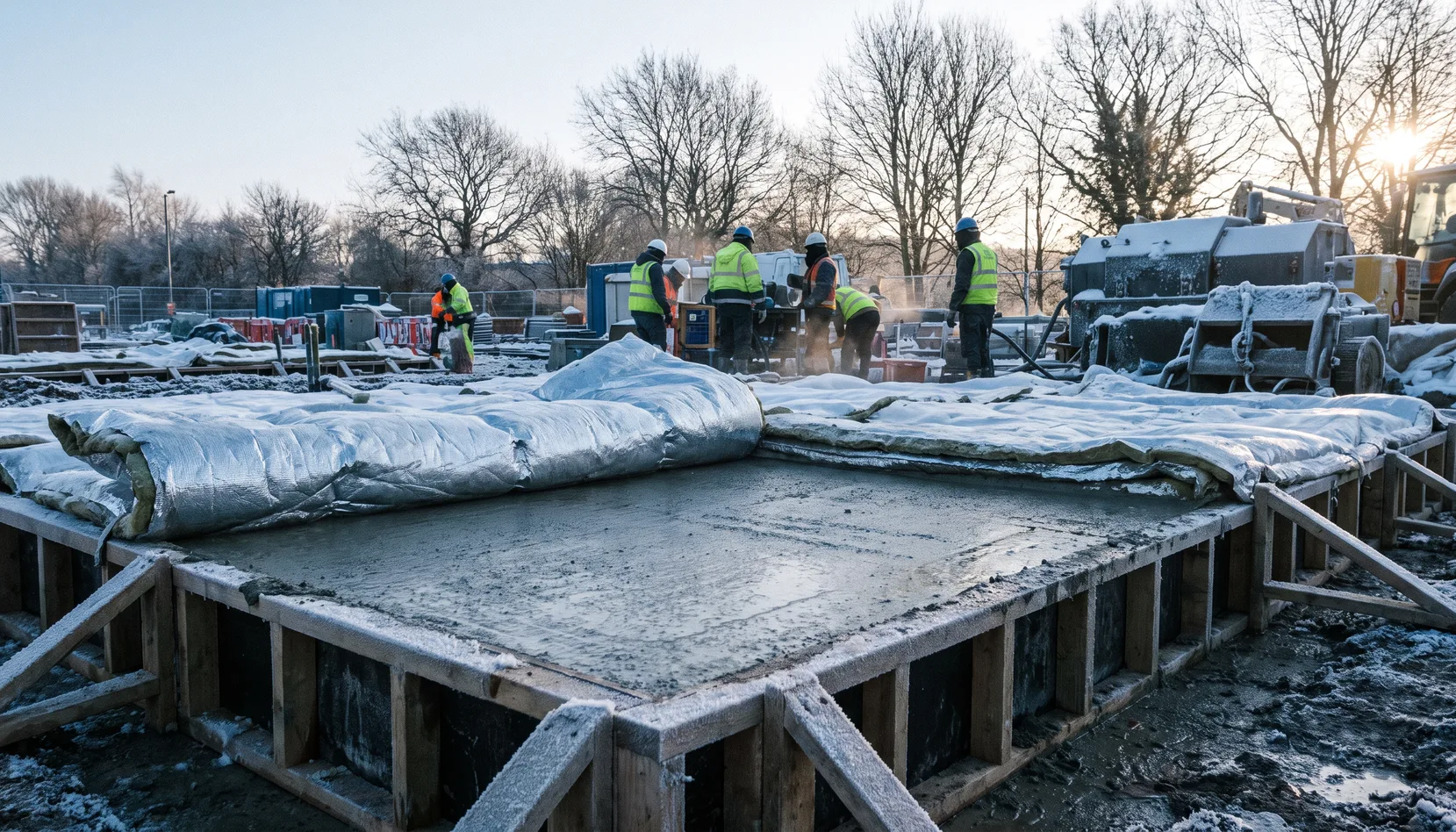
Cold Weather Concrete: Pouring Concrete in Cold Weather (UK)
Cold weather concrete needs protection from freezing and slower strength gain. Learn when to pour, how to protect fresh concrete and what to avoid.
Read guide →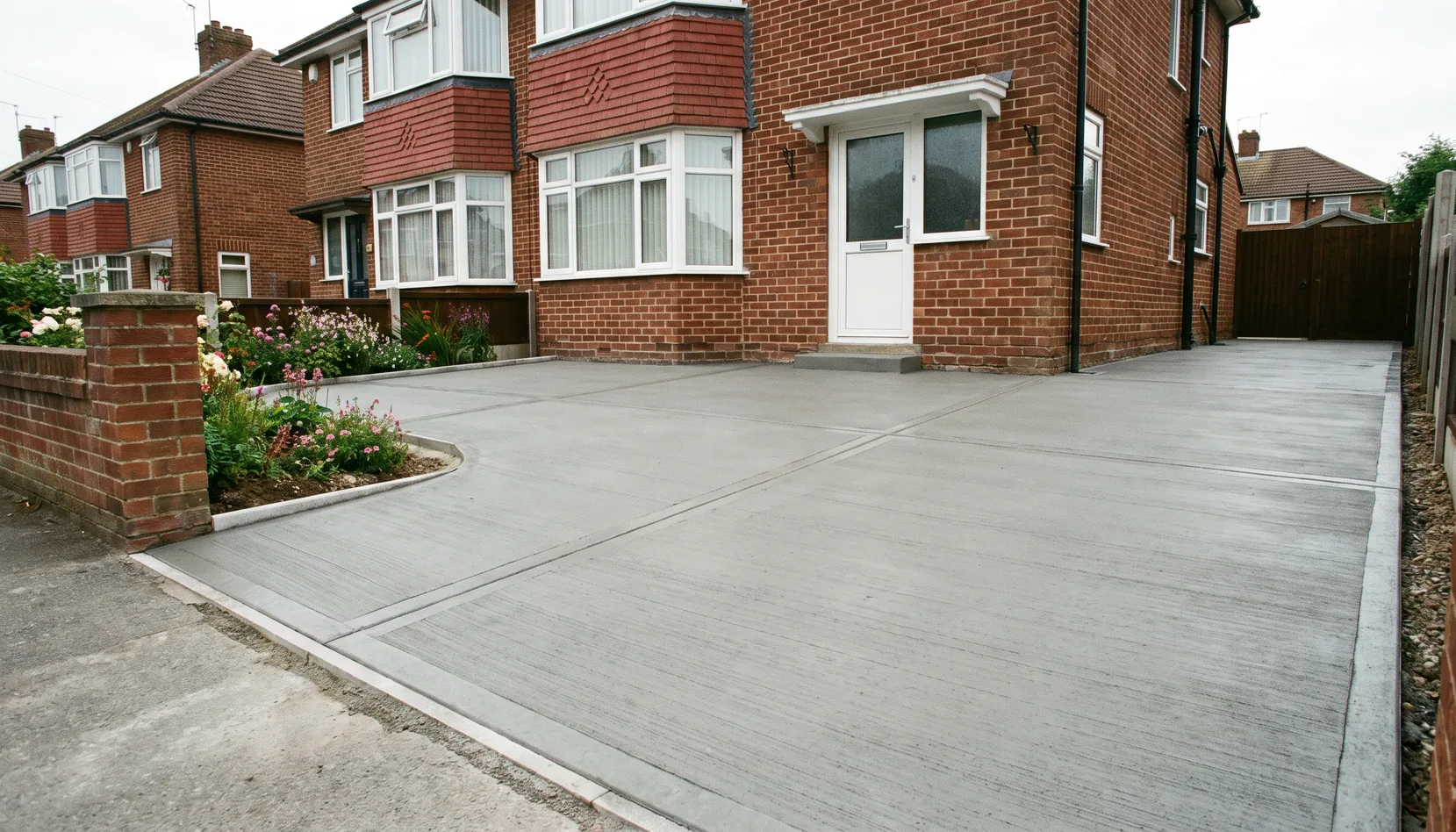
How to Create a Concrete Driveway: UK Step-by-Step Guide
Planning, concrete specification, finishing, and curing: the 3 key phases for a durable concrete driveway in the UK. Procon 24/7, Yorkshire & the North West.
Read guide →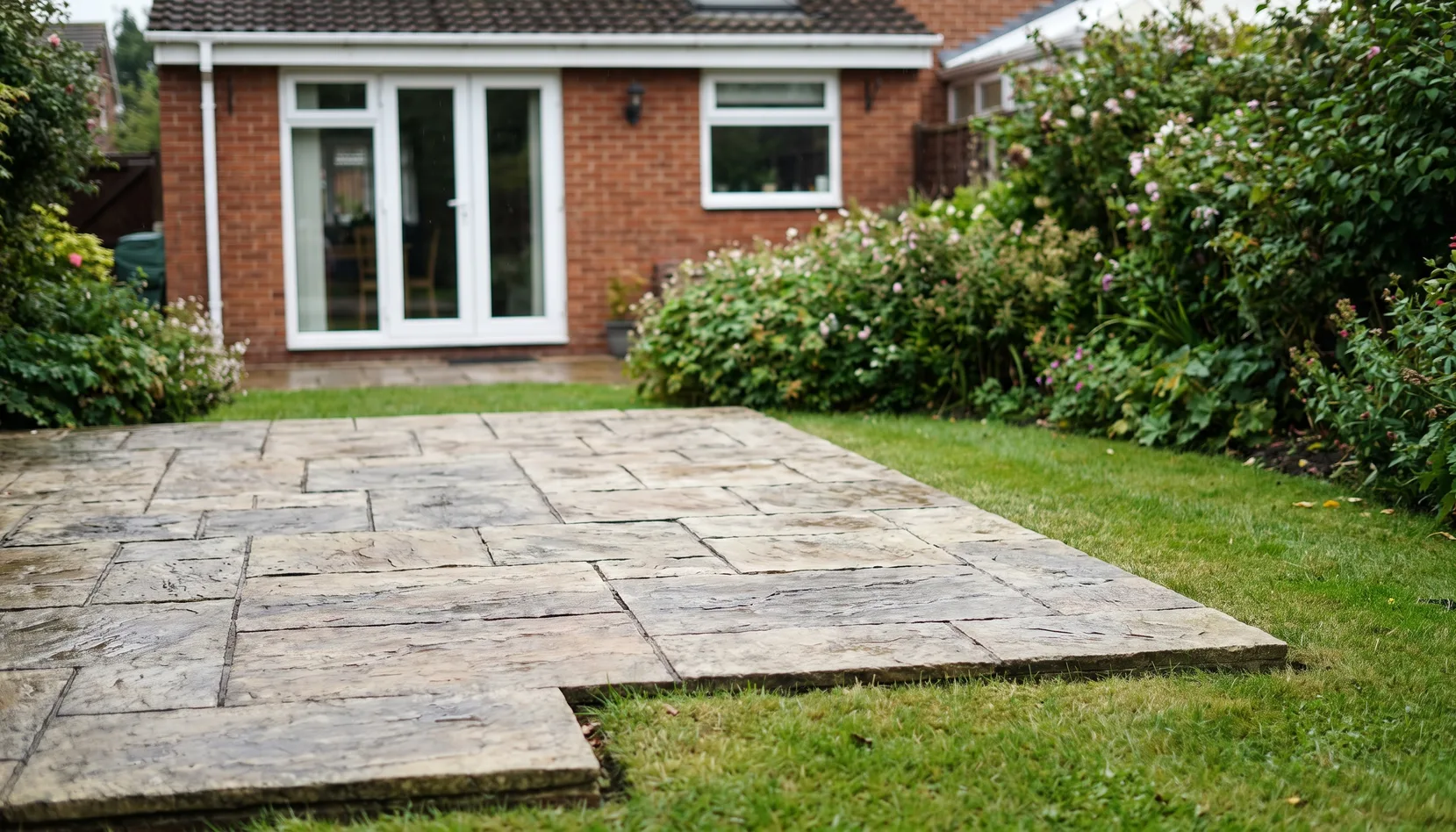
Stamped Concrete: 10 Ways to Transform Your Garden
Patios, pathways, pool decks, fire pits: stamped concrete delivers natural stone aesthetics at lower cost. UK ideas guide from Procon 24/7, Yorkshire & North West.
Read guide →
10 Concrete Finishing Techniques: UK Guide for 2025
Trowel, broom, exposed aggregate, stamped, polished: which concrete finish is right for your project? Expert guide from Procon 24/7, Yorkshire & the North West.
Read guide →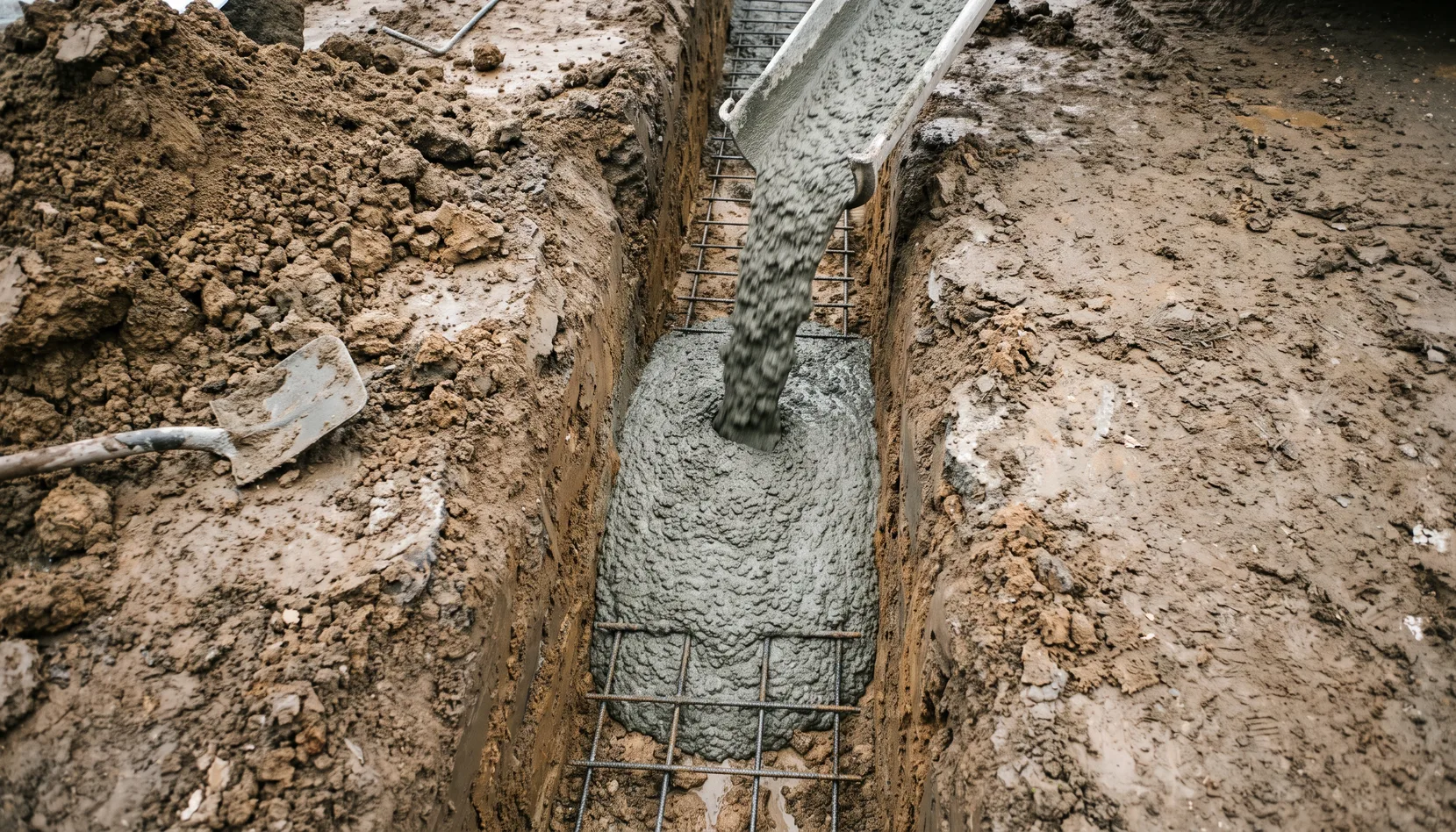
What Concrete for Footings? UK Grade & Spec Guide
C20, C25, or C35 for footings? Load, ground conditions, and regulations determine the right grade. Admixtures, quantities, and ordering guidance from Procon 24/7.
Read guide →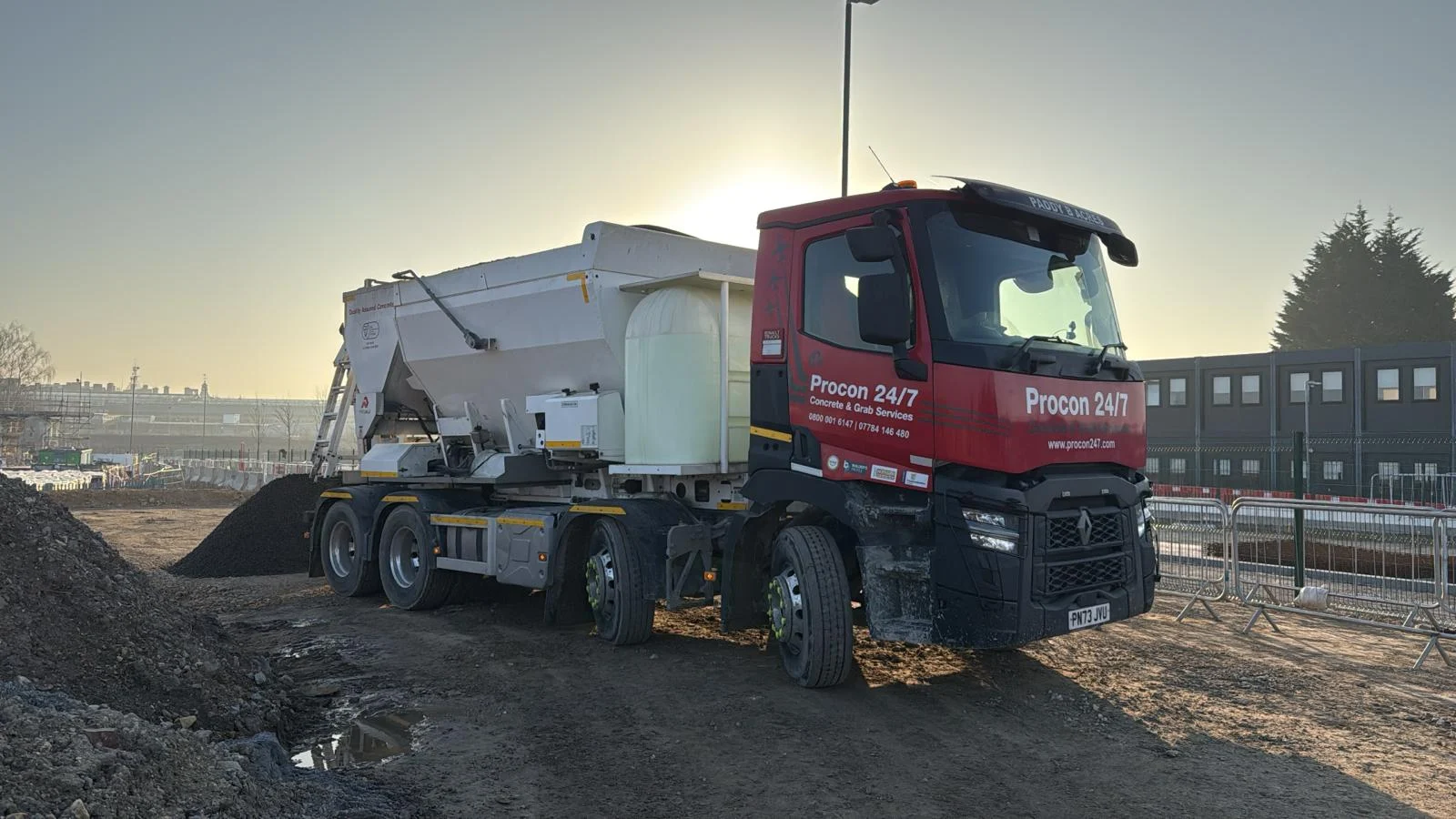
How Does a Volumetric Concrete Mixer Work? UK Guide
Volumetric mixers batch concrete on-site with no 90-min discharge clock and zero waste. How the drum wagon differs, when to choose it. Procon 24/7 Yorkshire & North West.
Read guide →
How to Lay a Concrete Shed Base: UK Step-by-Step 2025
Step-by-step guide to laying a concrete shed base: preparation, formwork, concrete spec, and curing. From Procon 24/7, serving Yorkshire & the North West.
Read guide →
Concrete Slump Test: What It Measures and How It Works
A concrete slump test checks the consistency of fresh concrete. Learn how slump testing works, what the result tells you and what to do if it is out of specification.
Read guide →
BS EN 206 & BS 8500 Certified Concrete | Procon 24/7
Procon 24/7 holds BS EN 206 and BS 8500 certifications for concrete quality: what this means for your project and why it matters for building control compliance.
Read guide →
Concrete Mix Ratio & Mix Design: UK Guide to Composition and Strength
What is the correct concrete mix ratio? From w/c ratio and cement:aggregate proportions to fck, GEN and RC designations: Procon 24/7's complete UK mix design guide.
Read guide →