Mobile concrete batching plants — also known as portable batching plants — are self-contained units that produce fresh concrete on-site. Unlike stationary plants requiring permanent installation, these units can be transported to virtually any location where concrete is needed. Modern technology has made them more efficient, accurate, and environmentally capable than ever before. Understanding when and how to use them can significantly affect both project quality and budget.
How Do Mobile Concrete Batching Plants Work?
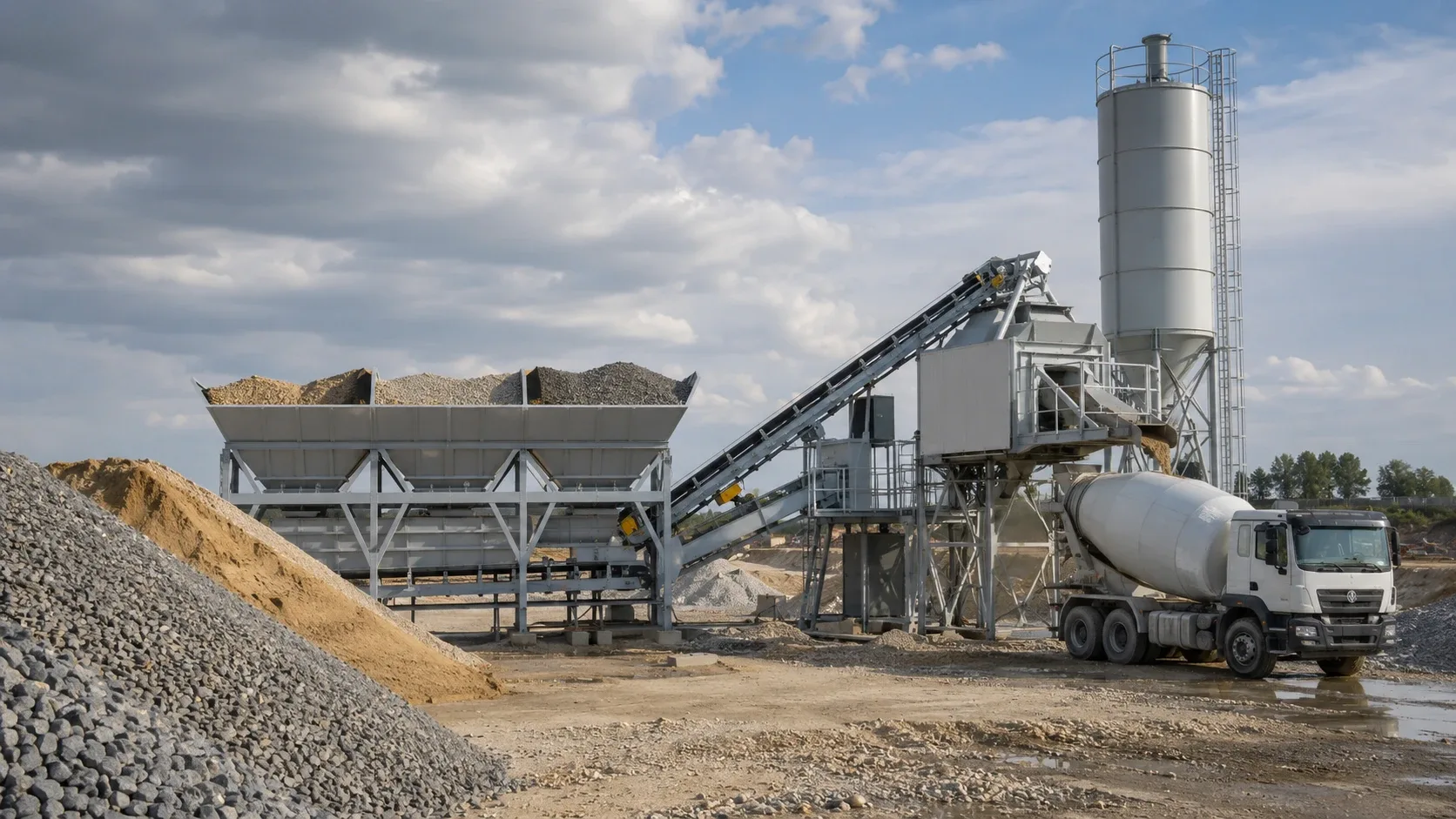
Mobile batching plants contain separate compartments for each material: cement, sand, various aggregate sizes, water, and liquid admixtures. Computer-controlled systems precisely proportion each ingredient according to the specified mix design.
When the operator inputs the desired concrete specification, the control system automatically weighs and dispenses correct amounts of each material into the mixing chamber. This level of automation delivers consistency that often exceeds traditional ready-mix delivery — particularly for projects requiring multiple concrete specifications in the same session.
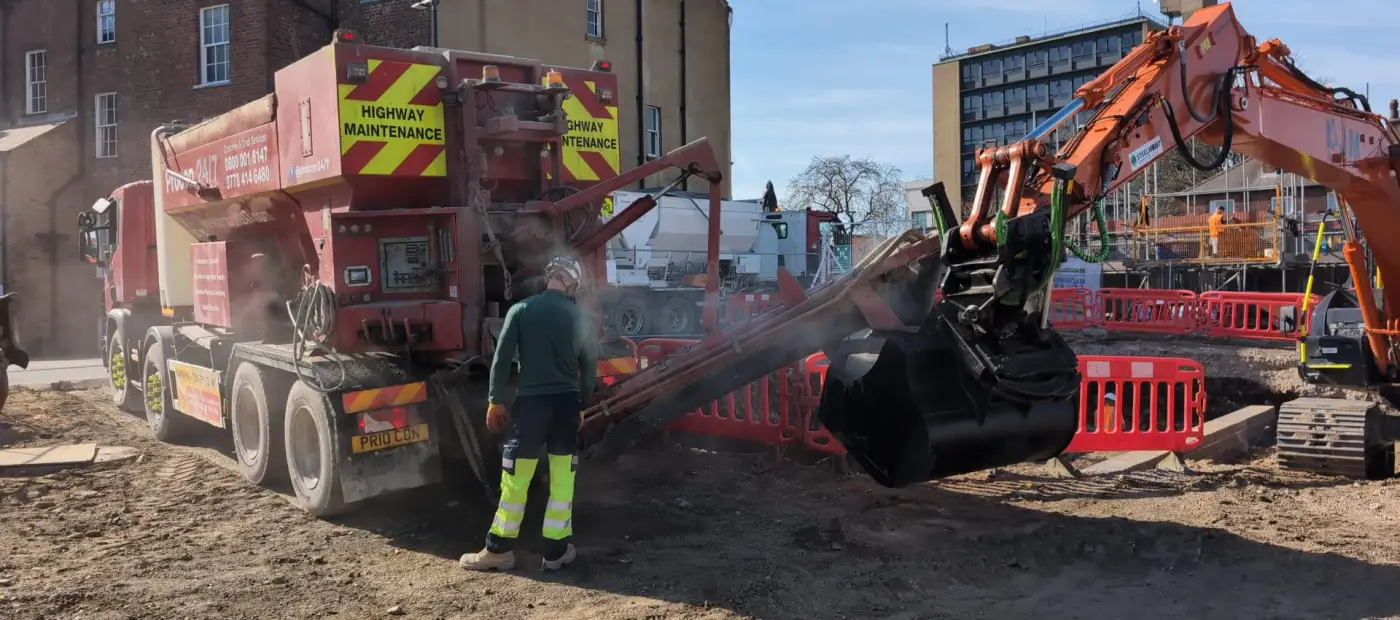
The critical differentiator is on-site mix adjustment. If conditions change, or if different sections of a project require different strength concrete, the plant responds immediately — without waiting for new deliveries or returning unused material. Procon 24/7’s volumetric concrete service operates on the same on-site mixing principle, providing this flexibility alongside our full service team.
What Are the Main Types of Mobile Batching Plant?
Trailer-mounted units: Smaller, highly mobile units ideal for residential and smaller commercial projects. They access sites that larger equipment cannot reach, with production capacity typically ranging from 15–30 cubic metres per hour.
Truck-mounted systems: Combine transport and production, functioning as mobile concrete factories. Suited to medium-sized projects with good mobility and reasonable production rates.
Containerised plants: Larger units transported by truck but requiring setup time on-site. They offer higher production capacities — ideal for longer-term projects where the plant will remain in one location for weeks or months.
What Are the Key Advantages of Mobile Batching?
Flexibility and location independence: Mobile batching eliminates logistics challenges of coordinating multiple deliveries and the time pressure of working concrete before it sets. For projects in remote locations or areas with limited access, on-site batching can be the difference between feasibility and impossibility.
Complete quality control: Every batch is fresh, mixed to exact specification, and available immediately. There’s no concern about concrete setting during transport or receiving material that doesn’t meet project requirements.
Cost efficiency at scale: For projects requiring more than 200 cubic metres, mobile batching often proves more economical. It eliminates transportation costs, reduces waste from over-ordering, and avoids premium pricing associated with frequent small deliveries. See our concrete pouring cost guide for current pricing context.
Reduced environmental impact: Fewer trucks travelling between plant and site means lower fuel consumption and emissions. Local aggregate sourcing reduces transportation distances further. This approach aligns with eco-friendly concrete practices now expected on environmentally certified projects.
When Does Mobile Batching Make More Sense Than Ready-Mix?
Remote or difficult-access sites: Infrastructure projects with weight restrictions on access roads, mountain construction, and urban sites where space constraints make conventional delivery difficult are prime candidates. Mobile batching is also the standard approach for work requiring supply outside normal hours: Procon 24/7's out-of-hours concrete service deploys volumetric mixers through the night to meet tight programme windows.
Large volume, long-duration projects: Consistent concrete supply over extended periods without delivery coordination. Our ready-mix concrete service remains the best choice for standard shorter-duration pours, but mobile batching comes into its own for major infrastructure and civil projects. Rail possession pours are a prime example: on-site batching eliminates transit delays and allows URS mixes to be produced at the point of need, hitting two-hour set targets within the possession window.
Specialty concrete requirements: Projects requiring multiple specifications or specialty admixtures — including fibre-reinforced concrete for industrial floors and hardstandings — benefit from the ability to adjust formulations between pours.
Hot or challenging weather conditions: Mobile batching eliminates transit time concerns during hot weather when concrete can stiffen en route. See our guide to concrete in hot weather for the specific challenges this addresses.
What Operational Considerations Apply to Mobile Batching?
Setup and calibration: Plants require proper setup and calibration before production begins — checking weighing systems, calibrating water flow rates, and verifying material storage compartments are properly loaded. This takes 30 minutes for trailer units up to several hours for large containerised plants.
Material quality control: Aggregates must be properly graded and free from contamination; cement storage requires protection from moisture. The quality of materials fed into mobile batching plants directly determines concrete quality — see our guide on the role of aggregates in concrete for why this matters.
Pumping integration: Mobile batching works well alongside our concrete line pump or boom pump services, which transport fresh concrete from the batching plant to placement locations on complex sites.
Frequently Asked Questions About Mobile Concrete Batching Plants
How much concrete can a mobile batching plant produce per hour?
Production rates range from 15 cubic metres per hour for small trailer units to over 100 cubic metres per hour for large containerised plants, depending on unit size and specification.
Is mobile batched concrete as good as ready-mix concrete?
Yes — when properly operated, mobile batching produces concrete that meets or exceeds ready-mix quality standards, with the added benefit of complete freshness and no transit time concerns.
What is the minimum project size that justifies mobile batching?
Projects requiring more than 100–200 cubic metres of concrete typically begin to show economic advantages, though this varies by location, access constraints, and specific project requirements.
Can mobile batching plants produce specialty concrete mixes?
Yes. Mobile plants excel at producing specialty mixes including high-strength formulations, fibre-reinforced concrete, and concrete with accelerating or retarding admixtures — all adjusted on-site to suit changing conditions.