
Crack & shrinkage resistance
Fibres hold the matrix together and control shrinkage cracking.
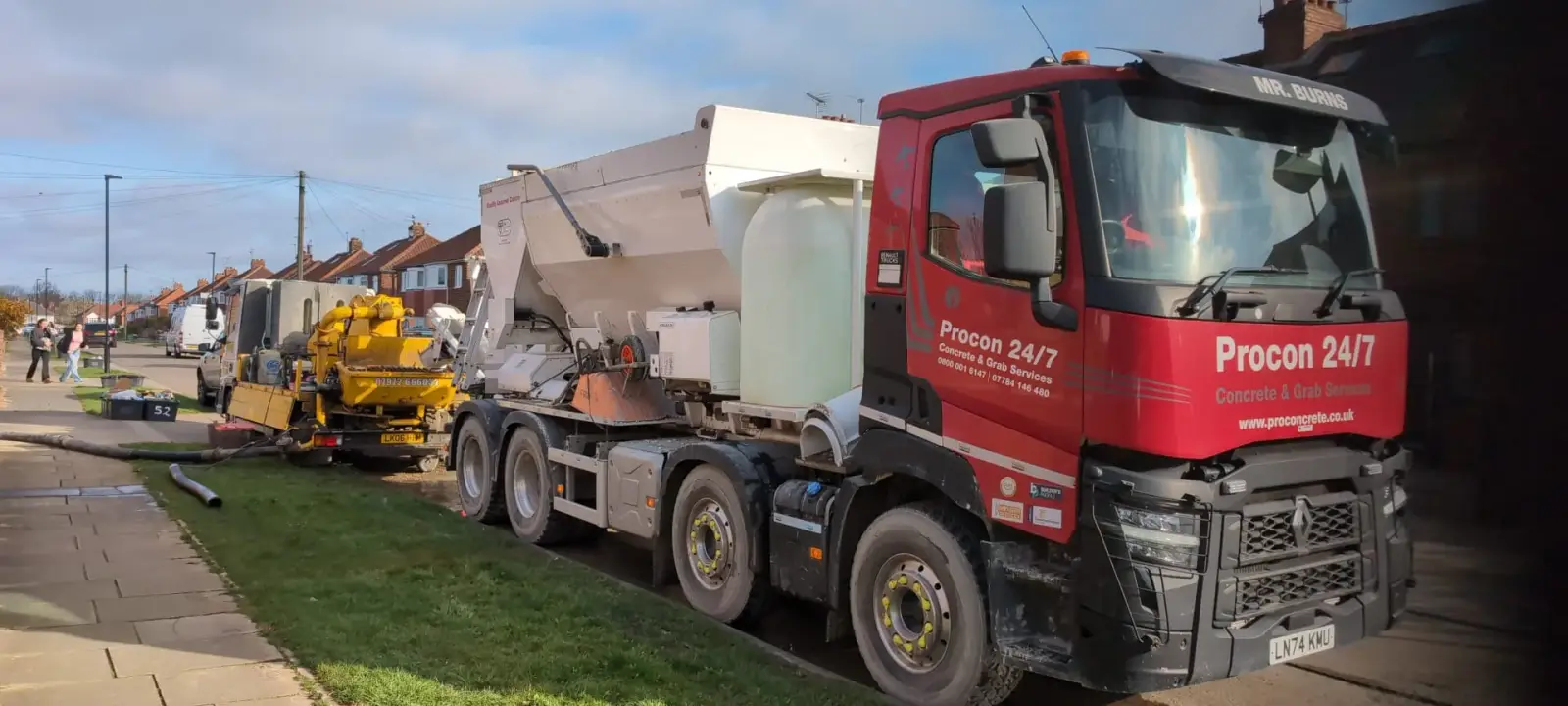
Concrete with structural or micro fibres mixed straight in: no mesh to lay.
Trusted by contractors, councils & developers






Fibre-reinforced concrete has steel or polypropylene fibres mixed through it, adding tensile strength and crack resistance without laying steel mesh. We add the fibre dose on-site so it is distributed evenly through every cubic metre.
Fibres hold the matrix together and control shrinkage cracking.
Reinforcement is in the mix, saving the labour of fixing steel.
On-site mixing spreads fibres uniformly through the pour.
Industrial floors, hardstandings and ground-bearing slabs.
Where steel mesh would otherwise be fixed across the whole pour. The reinforcement is in the mix, so the labour of laying and tying mesh goes away.
Micro-fibres control the shrinkage cracking that shows up in the first days after a domestic pour, which is where most driveway complaints originate.
Irregular shapes, tight edges and small bays where cutting and fixing mesh costs more in labour than the concrete costs in material.
Fibre adds to the rate per cubic metre and usually removes more cost than it adds.
Send us the specification, including fibre type and dose rate, and we will price it against a plain mix so you can compare. Call 0800 001 6147.
We run fibre-reinforced concrete out of three depots. If your site is inside these postcode areas, ring us and we will tell you which depot is closest and roughly how long it takes to reach you.
The things customers ask us most about fibre-reinforced concrete.
It depends on the fibre and the job. Steel fibres are a structural reinforcement and can replace mesh in many ground-bearing slabs, given a design that accounts for them. Polypropylene micro-fibres are not a structural replacement; they control plastic shrinkage cracking as the concrete cures. Where a structural engineer has specified mesh for a designed purpose, fibres do not automatically substitute for it. Our mesh comparison guide covers the distinction in detail.
Steel where you need load capacity and post-crack performance, typically industrial floors and heavily loaded slabs. Polypropylene where the concern is shrinkage cracking during curing, typically driveways, paths and domestic slabs. They solve different problems, and some specifications use both.
It varies substantially by fibre type and by what the fibre is there to do: a structural steel dose and a micro-fibre anti-crack dose are different by an order of magnitude. Work to the rate in your specification. Our dosage guide sets out how the rates are arrived at, and we add the fibre on site so it is distributed evenly through the batch.
Yes, and it is a common domestic use. Polypropylene fibres reduce the fine shrinkage cracking that tends to appear in the first days after a driveway pour. It does not remove the need for a properly compacted sub-base (typically at least 100mm of hardcore) or for correctly placed joints.
A small number of micro-fibres can be visible on a freshly floated surface and generally weather away or can be removed at finishing. Steel fibres in a properly finished floor sit below the surface. Finishing technique matters more than the fibre itself.
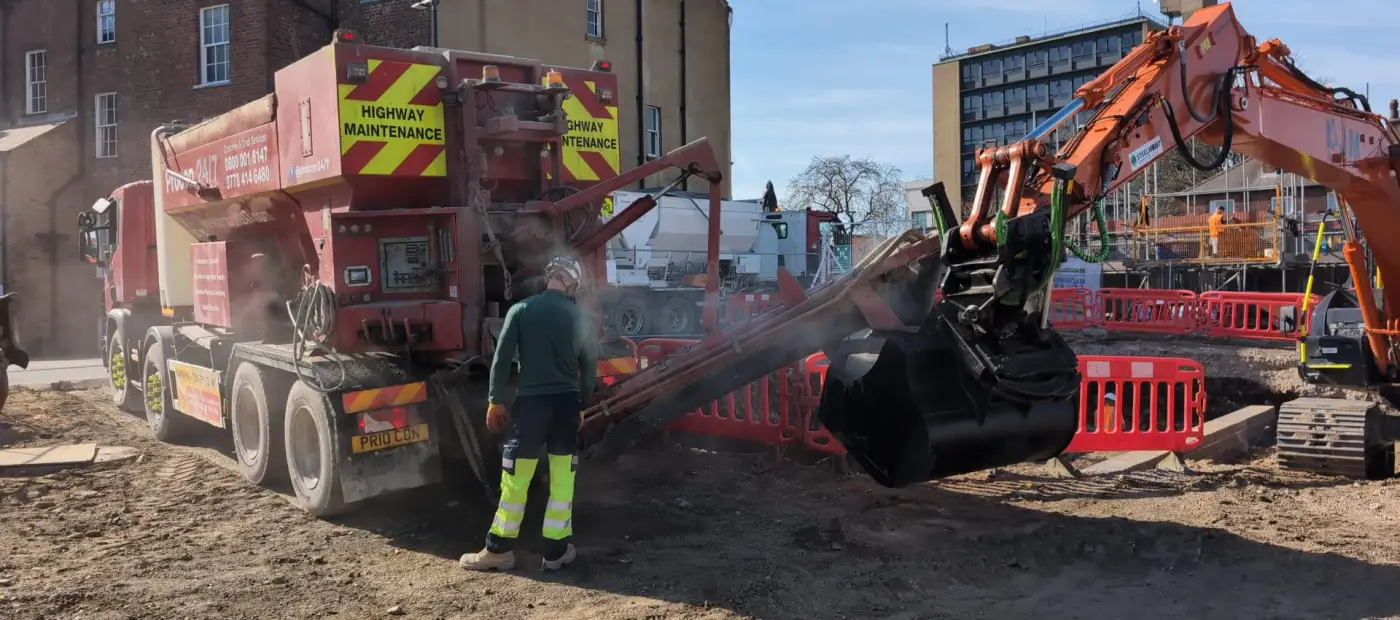
Same-day where we can, fresh every pour, across Yorkshire and the North West.
Leeds · Bradford · York · Sheffield · Wakefield · Manchester · Liverpool · Preston · Huddersfield · Halifax · & every site in between