Choosing a concrete supplier can feel overwhelming when your project’s success depends on getting it right. With numerous companies offering similar services, how do you identify the one that will deliver quality concrete reliably and professionally? This guide provides a clear checklist of what truly matters when selecting a concrete company in the UK.
What Quality Accreditations Should a Concrete Company Have?
Quality accreditations are your first and most important filter when evaluating concrete suppliers. These certifications provide independent proof that a company maintains consistent standards and follows industry best practices.
BSI Kitemark represents the gold standard for UK construction materials — meaning products and processes undergo regular independent auditing. When you see BSI-certified concrete, you’re looking at a supplier whose quality control systems meet rigorous national standards. Other important certifications include ISO 9001 for quality management and CARES approval for construction products. These aren’t just certificates on the wall — they’re active commitments to maintaining standards that protect your project’s integrity. Always ask to see a supplier’s policies, insurances, and accreditations before placing an order.
Should You Choose Volumetric or Ready-Mix Concrete?
Understanding the difference between delivery types ensures you get exactly what your project needs. This decision significantly impacts cost-effectiveness and project flexibility.
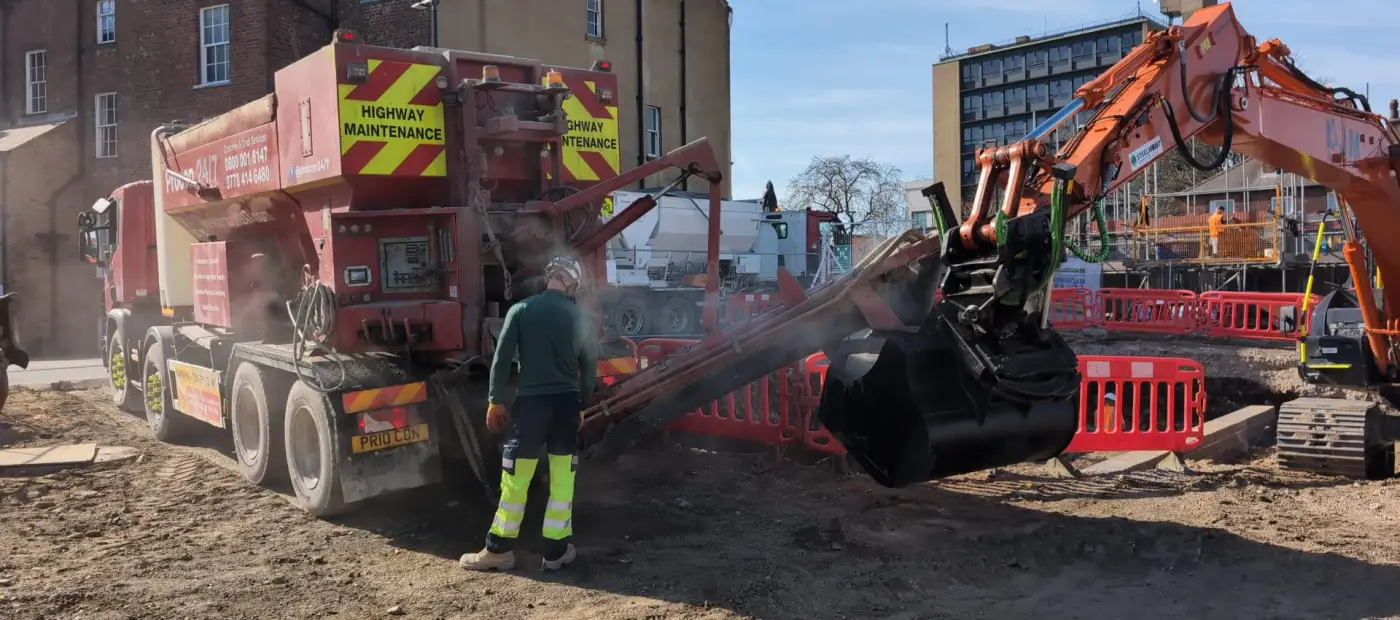
Volumetric versus ready-mix concrete is a fundamental choice. Volumetric concrete trucks bring mobile batching plants to your site, mixing fresh concrete as you need it. You only pay for what you use, can adjust the mix specification on-site, and eliminate waste from over-ordering.
Ready-mix concrete delivers pre-mixed material in traditional trucks, which works excellently for large, well-planned pours where timing is predictable. The best suppliers will help you determine which approach suits your specific project requirements rather than pushing a one-size-fits-all solution.
How Do You Assess a Concrete Company’s Reputation?
Website testimonials tell only part of the story. To understand how a supplier actually performs, look for independent reviews on Google or industry-specific platforms. Look for patterns in feedback — do customers consistently praise reliability, problem-solving, and professional communication? Pay attention to how companies respond to negative reviews, as this reveals their commitment to customer satisfaction.
Ask potential suppliers for references from recent projects similar to yours. A confident regional concrete company will readily provide contacts who can speak to their experience. Quality suppliers understand that their reputation depends on every single job, not just large commercial projects.
What Should Transparent Pricing and Planning Tools Look Like?
Transparent pricing demonstrates professional integrity and eliminates unpleasant surprises. The best concrete companies provide detailed quotations that break down costs clearly — helping you understand exactly what you’re paying for.
Look for suppliers who offer practical planning tools like our online concrete calculator. These tools help you estimate requirements accurately, reducing waste and ensuring you order appropriate quantities. Be wary of suppliers who provide vague estimates or seem reluctant to discuss pricing specifics.
For projects in Yorkshire or the North West, check that your chosen supplier has genuine regional presence. Our Yorkshire concrete and North West concrete coverage pages show the areas and project types we serve.
Does the Supplier Offer Out-of-Hours and Time-Critical Supply?
For highways maintenance, emergency repairs, and time-sensitive projects, standard working hours are not enough. Suppliers with a genuine out-of-hours concrete service dispatch volumetric mixers through nights, weekends, and bank holidays, with a 30-minute quote response. This is a key differentiator that basic suppliers cannot match.
Infrastructure sectors like highways and rail require suppliers who hold the right accreditations and can pour within tight possession or lane-closure windows. Confirm that any supplier you consider is CHAS/SSIP-registered for highways work or holds Sentinel certification for rail possessions, and that they can deliver at the time your programme demands.
Does the Concrete Company Offer Pumping and Placement Solutions?
Getting concrete to the right location is a critical part of any pour. Experienced suppliers think beyond simply delivering concrete — they consider site access, placement challenges, and timing requirements from the start.
Ask potential suppliers about their concrete pumping capabilities. Can they provide a boom pump for high-reach applications or a line pump for restricted access areas? Do they assess site conditions beforehand to recommend the most efficient placement method?
Companies that offer complete solutions typically have more experience managing complex projects. They understand that successful pours require coordination between delivery, pumping, and placement — not just mixing good concrete.
Frequently Asked Questions When Choosing a Concrete Company
How far in advance should I book a concrete supplier?
Book volumetric suppliers 2–3 days ahead for flexibility; ready-mix companies often require 5–7 days’ notice. During busy periods or for large projects, book 1–2 weeks in advance to ensure availability.
What questions should I ask when getting concrete quotes?
Ask about included services (delivery, pumping if needed), minimum order quantities, pricing for excess concrete, site access requirements, and timing flexibility. Also confirm their insurance coverage and waste disposal arrangements.
How do I know if the concrete quality meets standards?
Choose suppliers with BSI Kitemark or equivalent certifications. Request delivery documentation showing the mix design and strength specifications. Reputable suppliers provide test certificates and maintain detailed batch records.
What happens if weather affects my concrete pour?
Professional suppliers monitor weather conditions and advise on suitable pouring conditions. They should offer flexible rescheduling without penalty fees for weather delays and provide guidance on protecting fresh concrete. See our guides on pouring in cold weather and pouring in hot weather for practical advice.