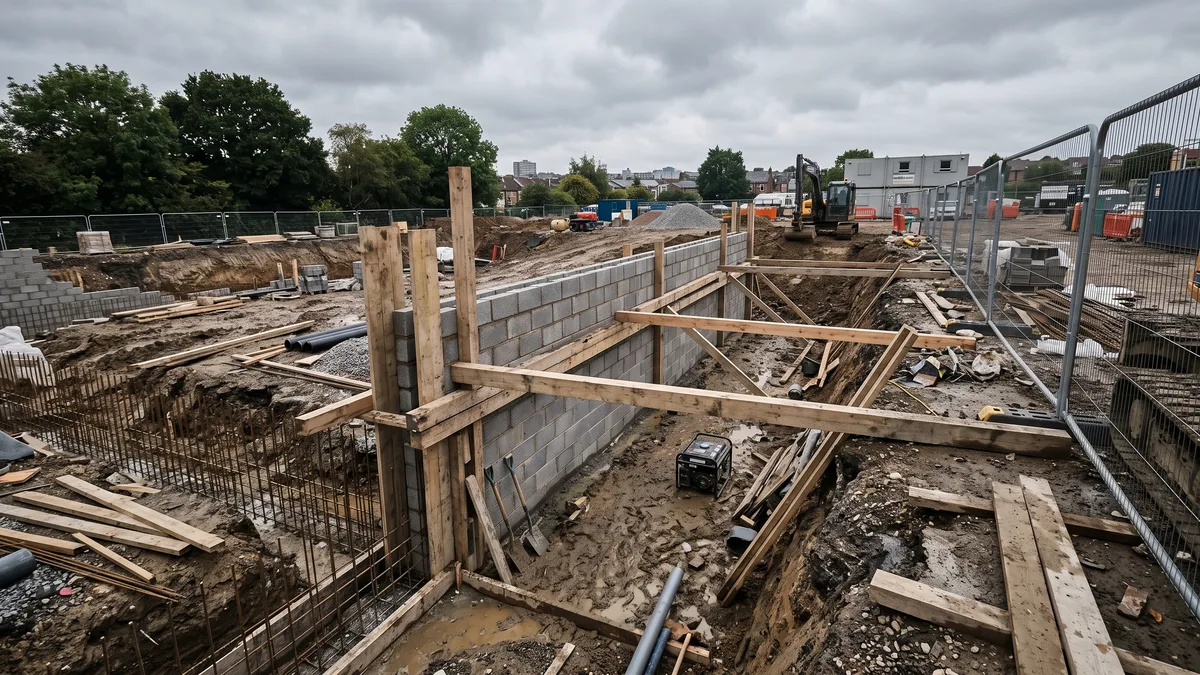
If a concrete block wall sits below ground, whether as a basement wall, a retaining structure, or a foundation element, UK Building Regulations require it to resist moisture from the ground. This guide explains what that means in practice and how it shapes the waterproofing system you specify.
For the waterproofing methods themselves, see our guides to whether concrete blocks are waterproof and basement concrete block waterproofing.
What Do UK Building Regulations Require?
Approved Document C of the UK Building Regulations covers site preparation and resistance to contaminants and moisture. It requires that walls and floors in contact with the ground resist the passage of moisture into the building. For a below-ground concrete block wall, whether a basement, cellar conversion, or retaining structure, this makes waterproofing a compliance requirement rather than a discretionary upgrade.
Does This Apply to Every Below-Ground Wall?
The level of waterproofing required scales with the use of the space. A retaining wall holding back a garden bank has different requirements to a below-ground room intended for habitable use. Basement conversions intended as living space typically need a formally specified waterproofing design, assessed against the expected water table and ground conditions, and signed off by Building Control as part of the project.
What Standard of Waterproofing Satisfies Building Control?
A light-duty waterproofing paint or sealant, adequate for an above-ground garden wall, generally does not satisfy the requirement for a basement or habitable below-ground space. Building Control typically expects a system rated for sustained hydrostatic pressure, such as a cementitious coating or a membrane system, often combined with appropriate drainage. See our waterproof sealant comparison for how these systems differ.
For habitable basement conversions specifically, the waterproofing design is usually specified by a qualified waterproofing designer or structural engineer, rather than chosen informally on site, given the compliance and long-term performance stakes involved.
Does the Concrete Specification Matter as Well as the Surface Treatment?
Yes. Low-permeability concrete, specified with waterproof admixtures at the point of pour, reduces moisture passage through poured elements like basement floor slabs and retaining walls. This works alongside, not instead of, any surface waterproofing system applied to the blockwork itself, and is usually part of a compliant below-ground specification.
Frequently Asked Questions
Is waterproofing below-ground concrete blocks a legal requirement?
UK Building Regulations Approved Document C requires walls and floors in contact with the ground to resist the passage of moisture. For a basement, retaining wall, or any below-ground structure, this means a waterproofing strategy is a compliance requirement, not an optional extra, and Building Control will expect to see it addressed.
Does waterproofing paint alone satisfy Building Regulations for a basement?
Generally no. Basement conversions typically need a system rated for sustained hydrostatic pressure, such as a cementitious coating or membrane combined with appropriate drainage, rather than a light-duty above-ground sealant. Discuss the specific classification for your project with Building Control or a waterproofing specialist.
Who is responsible for specifying below-ground waterproofing?
For a habitable basement conversion, this is typically specified by a waterproofing design specialist or structural engineer as part of a formal waterproofing design, and signed off by Building Control. For simpler below-ground retaining walls, your contractor or the block/waterproofing product manufacturer's guidance usually applies.
Does the concrete itself need to be a special specification below ground?
It can be. Low-permeability or waterproof-admixture concrete reduces moisture passage through poured elements like basement floor slabs and retaining walls, working alongside (not instead of) any surface waterproofing applied to blockwork.
Specify Waterproof Concrete From the Start
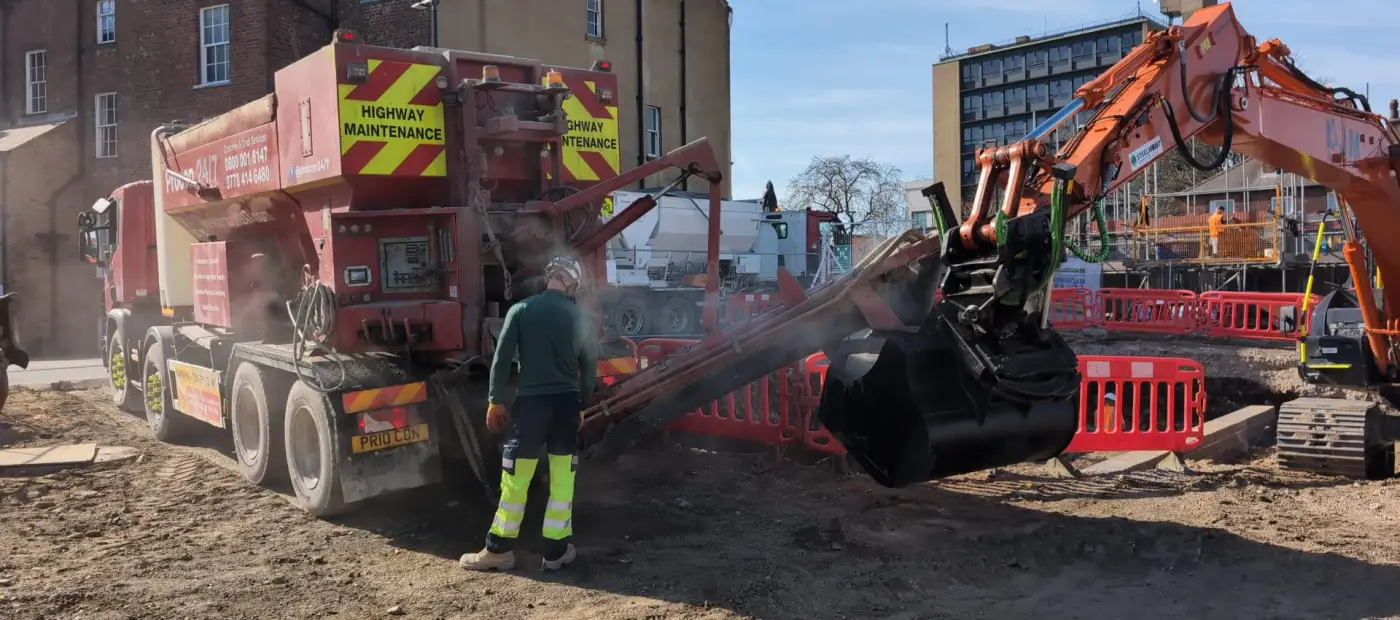
Procon 24/7 supplies waterproof-admixture domestic and commercial concrete for below-ground applications across Yorkshire and the North West. Speak to our team about the right specification for your basement, retaining wall, or foundation project.